FEMIS ID: Name: Class:
STRAND 1: Social Organisation & Processes · 26 marks
Question types: Multiple Choice (10) • Matching (6) • Comprehension Passage (5) • Paragraph Writing (5)
Part A — Multiple Choice [10 marks]
1. The primary function of the WHO is to
✔ Answer: B
2. UNESCO contributes to peace by promoting
✔ Answer: B
3. The World Bank was created in
✔ Answer: A
4. The founder of the Red Cross was
✔ Answer: B
5. The UNFCCC is the United Nations Framework Convention on
✔ Answer: D
6. The indigenous people of New Zealand are the
✔ Answer: A
7. A group whose members share common cultural characteristics is called a(n)
✔ Answer: A
8. People grouped by the language they speak form a
✔ Answer: B
9. The main purpose of the United Nations is to
✔ Answer: B
10. UNICEF was created mainly to help
✔ Answer: C
Part B — Matching [6 marks]
1. People of Samoa and Tonga
✔ Answer: A
2. People of Kiribati and the Marshalls
✔ Answer: B
3. Natives of New Zealand
✔ Answer: C
4. Dark-skinned Pacific people
✔ Answer: D
5. Natives of Australia
✔ Answer: E
6. First inhabitants of a place
✔ Answer: F
Part C — Comprehension Passage [5 marks] "UNICEF Works for Children"
December 1946 to bring emergency food and healthcare to children suffering after World War II. Its founder, Ludwik Rajchman, believed no child should be forgotten. Today UNICEF builds classrooms, trains teachers, provides clean water and vaccinates children in more than 190 countries. In Fiji, UNICEF has supported cyclone-proof schools and child health programmes, helping every child to learn and grow safely.
1. When and by whom was UNICEF created?
✔ Model answer: (see the Detailed Solution PDF)
2. Why was UNICEF first set up?
✔ Model answer: (see the Detailed Solution PDF)
3. What did Ludwik Rajchman believe?
✔ Model answer: (see the Detailed Solution PDF)
4. List TWO things UNICEF does today.
✔ Model answer: (see the Detailed Solution PDF)
5. How has UNICEF helped schools in Fiji?
✔ Model answer: (see the Detailed Solution PDF)
Part D — Paragraph Writing [5 marks]
STRAND 2: Time, Continuity & Change · 22 marks
Question types: Multiple Choice (8) • True/False (6) • Fill in the Blanks (4) • Resource Interpretation (4)
Part A — Multiple Choice [8 marks]
1. The first person to walk on the moon was
✔ Answer: B
2. The first President of Fiji was
✔ Answer: B
3. Bill Gates became famous as the founder of
✔ Answer: D
4. Fiji gained independence in the year
✔ Answer: A
5. The African president renowned for combating apartheid was
✔ Answer: C
6. Roy Krishna is famous as a
✔ Answer: D
7. A medical pandemic from the list below is
✔ Answer: D
8. The first South Pacific Games (now Pacific Games) were held in
✔ Answer: A
Part B — True or False [6 marks]
1. Aborigines are the indigenous people of Asia.
✔ Answer: F
2. The Second World War involved many nations of the world.
✔ Answer: T
3. People from different ethnic groups living together can be described as cultural diversity.
✔ Answer: T
4. Sea level rise is a consequence of global warming.
✔ Answer: T
5. Frequent use of credit and debit cards decreases our spending.
✔ Answer: F
6. Fiji is excluded from the global network of countries.
✔ Answer: F
Part C — Fill in the Blanks [4 marks]
1. World War I began in 19 and Fiji became independent in 19. (2 marks)
✔ Answers: 1914; 1970
2. The Red Cross was founded in 18 and the next Commonwealth Games (2026) will be held in , Scotland. (2 marks)
✔ Answers: 1863; Glasgow
Part D — Resource Interpretation [4 marks] study the photograph
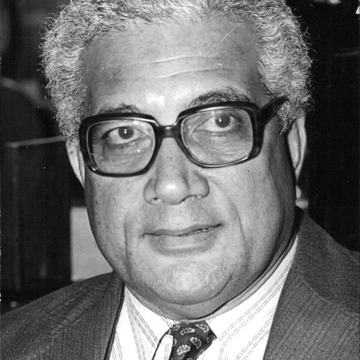
1. Who is the person in the photograph?
✔ Model answer: (see the Detailed Solution PDF)
2. What position did he first hold in independent Fiji?
✔ Model answer: (see the Detailed Solution PDF)
3. In which year did Fiji gain independence under his leadership?
✔ Model answer: (see the Detailed Solution PDF)
4. Why is he remembered as the father of modern Fiji?
✔ Model answer: (see the Detailed Solution PDF)
STRAND 3: Place & Environment · 26 marks
Question types: Multiple Choice (10) • Matching (6) • Short-Answer Questions (6) • Resource Interpretation (4)
Part A — Multiple Choice [10 marks]
1. The long-term pattern of weather in a particular area is
✔ Answer: D
2. Global warming is mainly caused by
✔ Answer: B
3. Which organisation plays a key NGO role in alleviating environmental issues?
✔ Answer: B
4. The south polar circle of the earth is the
✔ Answer: C
5. The climate of a region determines
✔ Answer: C
6. The best way to reduce solid industrial waste is by
✔ Answer: D
7. The Tropic of Cancer lies at
✔ Answer: D
8. The sea or ocean affects the climate of a nearby place by
✔ Answer: B
9. Land pollution can be reduced by
✔ Answer: A
10. The Tropic of Capricorn lies at
✔ Answer: A
Part B — Matching [6 marks]
1. The shape of the land
✔ Answer: A
2. The long-term pattern of weather
✔ Answer: B
3. 23.5 degrees South
✔ Answer: C
4. 0 degrees longitude
✔ Answer: D
5. 0 degrees latitude
✔ Answer: E
6. Day-to-day condition of the atmosphere
✔ Answer: F
Part C — Short-Answer Questions [6 marks]
1. Name two animals that inhabit the Arctic region.
✔ Model answer: (see the Detailed Solution PDF)
2. State two negative effects of natural disasters for Fiji.
✔ Model answer: (see the Detailed Solution PDF)
3. State two reasons why the mangrove ecosystem should be conserved.
✔ Model answer: (see the Detailed Solution PDF)
Part D — Resource Interpretation [4 marks] study the resource
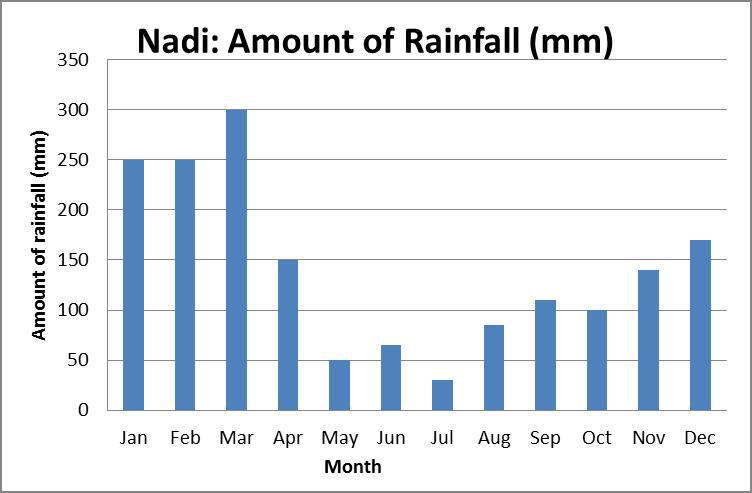
1. Identify the wettest month.
✔ Model answer: (see the Detailed Solution PDF)
2. Identify the driest month.
✔ Model answer: (see the Detailed Solution PDF)
3. Which TWO months recorded equal rainfall?
✔ Model answer: (see the Detailed Solution PDF)
4. State the trend over the months shown.
✔ Model answer: (see the Detailed Solution PDF)
STRAND 4: Resources & Economic Activities · 26 marks
Question types: Multiple Choice (10) • Matching (6) • Comprehension Passage (5) • Paragraph Writing (5)
Part A — Multiple Choice [10 marks]
1. Time management helps us to
✔ Answer: B
2. An advantage of globalisation is the
✔ Answer: A
3. The best way to avoid impulse spending is to
✔ Answer: D
4. “Time and tide wait for no man” teaches us to
✔ Answer: D
5. A positive impact of globalisation on transport is
✔ Answer: D
6. One benefit of effective time management is
✔ Answer: B
7. A disadvantage of globalisation is
✔ Answer: B
8. Impulsive buying means
✔ Answer: A
9. A method used to monitor financial health in personal budgeting is
✔ Answer: C
10. An important feature of globalisation is
✔ Answer: D
Part B — Matching [6 marks]
1. Company operating in many countries
✔ Answer: A
2. Interconnected world community
✔ Answer: B
3. Interchange of world views and products
✔ Answer: C
4. Fiji's biggest service industry
✔ Answer: D
5. Donations from donor countries
✔ Answer: E
6. Movement of qualified people abroad
✔ Answer: F
Part C — Comprehension Passage [5 marks] "The Global Village"
transport and communication networks possible. People and countries can now exchange information and goods more quickly and easily. Globalisation comes from the word globe and means the coming together of countries and nations. This leads to a fast shrinking world - an interconnected "one world" whose economies, societies and cultures are closely linked in what we call the global village. A shopper in Suva can buy a towel made in America, a plate from China and a spoon from Japan, all in one store.
1. Name TWO technologies that sped up globalisation.
✔ Model answer: (see the Detailed Solution PDF)
2. What does globalisation mean?
✔ Model answer: (see the Detailed Solution PDF)
3. What is meant by the "global village"?
✔ Model answer: (see the Detailed Solution PDF)
4. Give ONE example of globalisation from the passage.
✔ Model answer: (see the Detailed Solution PDF)
5. How does globalisation help Fiji's economy?
✔ Model answer: (see the Detailed Solution PDF)
Part D — Paragraph Writing [5 marks]