FEMIS ID: Name: Class:
STRAND 1: Social Organisation & Processes · 26 marks
Question types: Multiple Choice (10) • Matching (6) • Comprehension Passage (5) • Paragraph Writing (5)
Part A — Multiple Choice [10 marks]
1. Fiji belongs to which group of Pacific islands?
✔ Answer: B
2. People with light skin and blonde hair are commonly called
✔ Answer: D
3. A characteristic strongly associated with Pacific Island identity is
✔ Answer: A
4. Farmers, teachers and fishers grouped by work form a(n)
✔ Answer: C
5. The World Health Organisation (WHO) was formed in
✔ Answer: A
6. UNESCO was formed in
✔ Answer: D
7. The IMF promotes
✔ Answer: C
8. The International Red Cross and Red Crescent Movement was founded in
✔ Answer: B
9. The organisation which promotes equal standards of living through the world of work is the
✔ Answer: B
10. Aborigines are the natives of
✔ Answer: C
Part B — Matching [6 marks]
1. An NGO that protects the environment
✔ Answer: A
2. The UN agency for health
✔ Answer: B
3. Founded the Red Cross
✔ Answer: C
4. First woman PM of Pakistan
✔ Answer: D
5. "Fiat Panis - let there be bread"
✔ Answer: E
6. Founded UNICEF
✔ Answer: F
Part C — Comprehension Passage [5 marks] "The World Health Organisation"
international public health. Its aim is the highest possible standard of health for all people. WHO fights diseases like malaria and measles, trains health workers, and sends emergency teams when epidemics strike. During the COVID-19 pandemic, WHO shared information with every country and helped poorer nations obtain vaccines. When cyclone damage brought outbreaks of leptospirosis and typhoid to Fiji, WHO supported the Ministry of Health with medicines and advice.
1. In which year was WHO formed?
✔ Model answer: (see the Detailed Solution PDF)
2. What is WHO's main aim?
✔ Model answer: (see the Detailed Solution PDF)
3. Name TWO activities of WHO.
✔ Model answer: (see the Detailed Solution PDF)
4. How did WHO help during the COVID-19 pandemic?
✔ Model answer: (see the Detailed Solution PDF)
5. How has WHO helped Fiji?
✔ Model answer: (see the Detailed Solution PDF)
Part D — Paragraph Writing [5 marks]
STRAND 2: Time, Continuity & Change · 22 marks
Question types: Multiple Choice (8) • True/False (6) • Fill in the Blanks (4) • Resource Interpretation (4)
Part A — Multiple Choice [8 marks]
1. Roy Krishna is famous as a
✔ Answer: C
2. A medical pandemic from the list below is
✔ Answer: C
3. The first South Pacific Games (now Pacific Games) were held in
✔ Answer: B
4. World War I began in
✔ Answer: D
5. The Fijian rugby player renowned as the “King of 7s” is
✔ Answer: B
6. The quick spread of a disease within a short time in one area is a(n)
✔ Answer: B
7. The Olympic Games are held every
✔ Answer: C
8. A group of people settling away from their place of origin to take control of another area is
✔ Answer: A
Part B — True or False [6 marks]
1. Fiji lives in a global village and needs to know what is happening around her.
✔ Answer: T
2. World War II lasted from 1939 to 1945.
✔ Answer: T
3. Rules help control behaviour in a community.
✔ Answer: T
4. The Antarctic is a frozen continent in the North Pole.
✔ Answer: F
5. Creating a budget helps you spend your money wisely.
✔ Answer: T
6. Globalisation refers to the emergence of an international network of economic systems.
✔ Answer: T
Part C — Fill in the Blanks [4 marks]
1. World War II lasted from 19 to 19. (2 marks)
✔ Answers: 1939 and 1945
2. The first South Pacific Games were held in (city) in 19. (2 marks)
✔ Answers: Suva, 1963
Part D — Resource Interpretation [4 marks] study the photograph
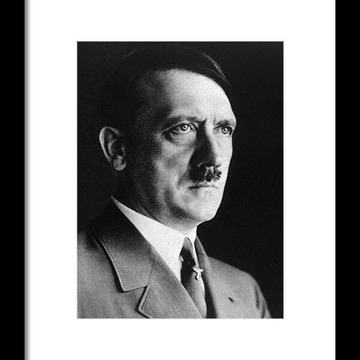
1. Who is the person in the photograph?
✔ Model answer: (see the Detailed Solution PDF)
2. Which country did he lead, and in which years?
✔ Model answer: (see the Detailed Solution PDF)
3. What world event did his actions start in 1939?
✔ Model answer: (see the Detailed Solution PDF)
4. What lesson does this history teach the world?
✔ Model answer: (see the Detailed Solution PDF)
STRAND 3: Place & Environment · 26 marks
Question types: Multiple Choice (10) • Matching (6) • Short-Answer Questions (6) • Resource Interpretation (4)
Part A — Multiple Choice [10 marks]
1. Deforestation and heavy fuel consumption are major contributors to
✔ Answer: D
2. No rainfall in an area for a long period of time causes a
✔ Answer: C
3. A characteristic of the polar region is
✔ Answer: A
4. An economic effect of climate change on farming regions is
✔ Answer: B
5. Heavy flooding can cause stagnant water which leads to
✔ Answer: D
6. In which climatic region would you most likely find harsh winters and heavy snowfall?
✔ Answer: D
7. Which of the following is an effect of climate change?
✔ Answer: A
8. When forests are cleared, one likely result is
✔ Answer: C
9. The two most important factors that determine climate are
✔ Answer: B
10. Ozone depletion primarily results from the release of
✔ Answer: B
Part B — Matching [6 marks]
1. Moderate climate with mild seasons
✔ Answer: A
2. Hot and humid region around the Equator
✔ Answer: B
3. Harsh winters and heavy snowfall
✔ Answer: C
4. Largest hot desert
✔ Answer: D
5. Lines running North to South
✔ Answer: E
6. The higher you go, the colder it becomes
✔ Answer: F
Part C — Short-Answer Questions [6 marks]
1. List two natural hazards often encountered in Fiji.
✔ Model answer: (see the Detailed Solution PDF)
2. Explain an impact of a tropical cyclone in Fiji.
✔ Model answer: (see the Detailed Solution PDF)
3. Explain two ways women can contribute towards preparing for a natural disaster.
✔ Model answer: (see the Detailed Solution PDF)
Part D — Resource Interpretation [4 marks] study the map
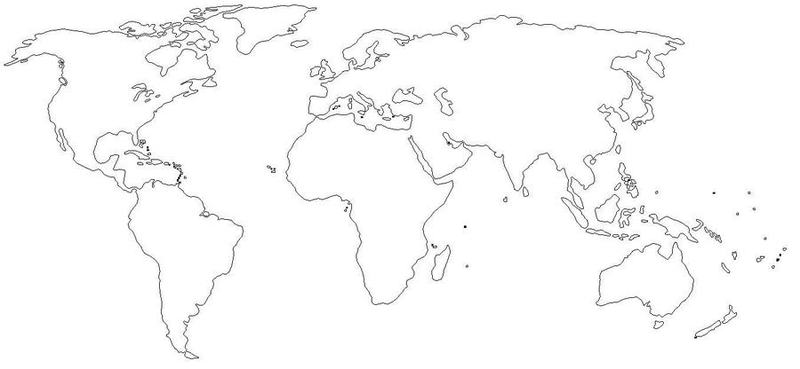
Word List: Sahara, Papua New Guinea, New South Wales, Tasmania
STRAND 4: Resources & Economic Activities · 26 marks
Question types: Multiple Choice (10) • Matching (6) • Comprehension Passage (5) • Paragraph Writing (5)
Part A — Multiple Choice [10 marks]
1. Which resource cannot be stored or saved for later use?
✔ Answer: A
2. Globalisation has impacted Fiji and the Pacific by
✔ Answer: B
3. A good way to save money is to
✔ Answer: A
4. A characteristic of resources is that they
✔ Answer: D
5. The factor that greatly influences the interconnection of countries today is
✔ Answer: B
6. Time management helps us to
✔ Answer: A
7. An advantage of globalisation is the
✔ Answer: C
8. The best way to avoid impulse spending is to
✔ Answer: D
9. “Time and tide wait for no man” teaches us to
✔ Answer: C
10. A positive impact of globalisation on transport is
✔ Answer: B
Part B — Matching [6 marks]
1. A place that safely keeps money
✔ Answer: A
2. Fourteen days
✔ Answer: B
3. Payment for work
✔ Answer: C
4. Buying without planning
✔ Answer: D
5. The one resource you cannot store
✔ Answer: E
6. A plan of income and expenditure
✔ Answer: F
Part C — Comprehension Passage [5 marks] "Aid - Friends Across the Ocean"
donations of cash or kind given by donor countries and organisations, and unlike a loan, it does not have to be repaid. After Cyclone Winston, Australia, New Zealand, India and China sent tents, food, water purifiers and rescue teams to Fiji. The World Bank and the Asian Development Bank also supported rebuilding programmes. Aid is one way the countries of the world show that we all belong to one global family.
1. What is aid?
✔ Model answer: (see the Detailed Solution PDF)
2. Does aid have to be repaid?
✔ Model answer: (see the Detailed Solution PDF)
3. Name TWO donor countries that helped Fiji after Cyclone Winston.
✔ Model answer: (see the Detailed Solution PDF)
4. What TWO things did the donors send?
✔ Model answer: (see the Detailed Solution PDF)
5. Name ONE organisation that supported rebuilding.
✔ Model answer: (see the Detailed Solution PDF)
Part D — Paragraph Writing [5 marks]