FEMIS ID: Name: Class:
STRAND 1: Social Organisation & Processes · 26 marks
Question types: Multiple Choice (10) • Matching (6) • Comprehension Passage (5) • Paragraph Writing (5)
Part A — Multiple Choice [10 marks]
1. Aborigines are the natives of
✔ Answer: A
2. The Australoid people include the Aborigines of
✔ Answer: C
3. Christians, Hindus and Muslims together form a
✔ Answer: A
4. The United Nations (UN) was founded in
✔ Answer: C
5. The founder of UNICEF was
✔ Answer: C
6. The FAO Latin motto “Fiat Panis” means
✔ Answer: B
7. The European Union (EU) was formed to
✔ Answer: B
8. Greenpeace is best described as
✔ Answer: B
9. Kiribati and the Marshall Islands are classified as
✔ Answer: C
10. The Negroid people are also known as
✔ Answer: A
Part B — Matching [6 marks]
1. Natives of New Zealand
✔ Answer: A
2. First inhabitants of a place
✔ Answer: B
3. Natives of Australia
✔ Answer: C
4. Dark-skinned Pacific people
✔ Answer: D
5. People of Samoa and Tonga
✔ Answer: E
6. People of Kiribati and the Marshalls
✔ Answer: F
Part C — Comprehension Passage [5 marks] "Greenpeace - Voice of the Environment"
sailed to stop nuclear testing. Today it has offices in more than forty countries and works to protect the oceans, forests and atmosphere. Because it is an NGO, Greenpeace does not belong to any government - it is funded by ordinary people. In the Pacific, Greenpeace campaigns against over-fishing and drift-netting and urges the world to act on climate change, which threatens our low-lying islands.
1. What kind of organisation is Greenpeace?
✔ Model answer: (see the Detailed Solution PDF)
2. When and why did Greenpeace begin?
✔ Model answer: (see the Detailed Solution PDF)
3. Who funds Greenpeace?
✔ Model answer: (see the Detailed Solution PDF)
4. Name TWO things Greenpeace protects.
✔ Model answer: (see the Detailed Solution PDF)
5. Name ONE campaign close to the Pacific.
✔ Model answer: (see the Detailed Solution PDF)
Part D — Paragraph Writing [5 marks]
STRAND 2: Time, Continuity & Change · 22 marks
Question types: Multiple Choice (8) • True/False (6) • Fill in the Blanks (4) • Resource Interpretation (4)
Part A — Multiple Choice [8 marks]
1. The quick spread of a disease within a short time in one area is a(n)
✔ Answer: A
2. The Olympic Games are held every
✔ Answer: C
3. A group of people settling away from their place of origin to take control of another area is
✔ Answer: C
4. Apollo 11 landed on the moon in
✔ Answer: D
5. Dr. Jiko Luveni is famous as Fiji’s first woman
✔ Answer: B
6. The Commonwealth Games was first held in
✔ Answer: C
7. The Pacific Games are held every
✔ Answer: A
8. The lady who established the Missionaries of Charity to serve the poor was
✔ Answer: D
Part B — True or False [6 marks]
1. Mother Teresa was famous as a missionary who served the poor.
✔ Answer: T
2. Historians study the future.
✔ Answer: F
3. The sea or ocean does not affect the climate of a place.
✔ Answer: F
4. Banks provide commercial services.
✔ Answer: T
5. Members of parliament are involved in politics.
✔ Answer: T
6. The WHO was formed in 1948.
✔ Answer: T
Part C — Fill in the Blanks [4 marks]
1. World War I began in 19 and Fiji became independent in 19. (2 marks)
✔ Answers: 1914; 1970
2. The Red Cross was founded in 18 and the next Commonwealth Games (2026) will be held in , Scotland. (2 marks)
✔ Answers: 1863; Glasgow
Part D — Resource Interpretation [4 marks] study the photograph
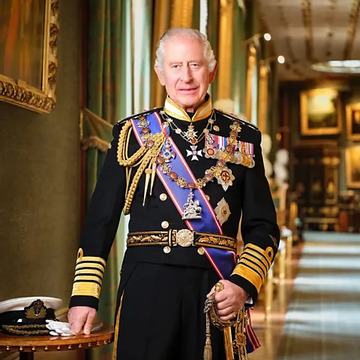
1. Who is the person in the photograph?
✔ Model answer: (see the Detailed Solution PDF)
2. Since which year has he been King?
✔ Model answer: (see the Detailed Solution PDF)
3. What is his role in the Commonwealth?
✔ Model answer: (see the Detailed Solution PDF)
4. What link does he have with Fiji's history?
✔ Model answer: (see the Detailed Solution PDF)
STRAND 3: Place & Environment · 26 marks
Question types: Multiple Choice (10) • Matching (6) • Short-Answer Questions (6) • Resource Interpretation (4)
Part A — Multiple Choice [10 marks]
1. Which organisation plays a key NGO role in alleviating environmental issues?
✔ Answer: C
2. The south polar circle of the earth is the
✔ Answer: B
3. The climate of a region determines
✔ Answer: B
4. The best way to reduce solid industrial waste is by
✔ Answer: A
5. The Tropic of Cancer lies at
✔ Answer: A
6. The sea or ocean affects the climate of a nearby place by
✔ Answer: B
7. Land pollution can be reduced by
✔ Answer: D
8. The Tropic of Capricorn lies at
✔ Answer: A
9. The four climatic zones include the Polar, Temperate, Tropics and
✔ Answer: C
10. Water pollution is caused mainly by
✔ Answer: D
Part B — Matching [6 marks]
1. The shape of the land
✔ Answer: A
2. 0 degrees longitude
✔ Answer: B
3. The long-term pattern of weather
✔ Answer: C
4. 23.5 degrees South
✔ Answer: D
5. 0 degrees latitude
✔ Answer: E
6. Day-to-day condition of the atmosphere
✔ Answer: F
Part C — Short-Answer Questions [6 marks]
1. Explain one way to reduce the impact of global warming.
✔ Model answer: (see the Detailed Solution PDF)
2. Define the term natural disaster and give an example.
✔ Model answer: (see the Detailed Solution PDF)
3. Give one reason why rainforests are removed.
✔ Model answer: (see the Detailed Solution PDF)
Part D — Resource Interpretation [4 marks] study the resource
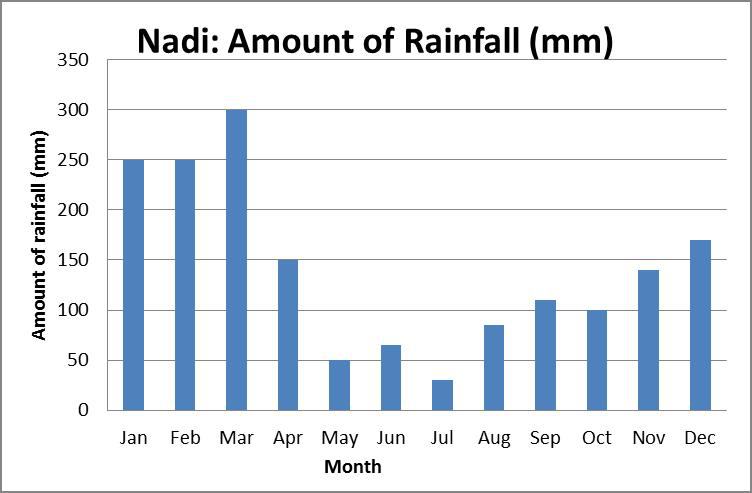
1. Identify the wettest month.
✔ Model answer: (see the Detailed Solution PDF)
2. Identify the driest month.
✔ Model answer: (see the Detailed Solution PDF)
3. Which TWO months recorded equal rainfall?
✔ Model answer: (see the Detailed Solution PDF)
4. State the trend over the months shown.
✔ Model answer: (see the Detailed Solution PDF)
STRAND 4: Resources & Economic Activities · 26 marks
Question types: Multiple Choice (10) • Matching (6) • Comprehension Passage (5) • Paragraph Writing (5)
Part A — Multiple Choice [10 marks]
1. A method used to monitor financial health in personal budgeting is
✔ Answer: B
2. An important feature of globalisation is
✔ Answer: D
3. A fortnight consists of
✔ Answer: D
4. The movement of qualified people to other countries is called
✔ Answer: B
5. Credit and debit cards can easily
✔ Answer: C
6. Globalisation is best described as the
✔ Answer: B
7. Globalisation refers to the emergence of an international network of
✔ Answer: C
8. Sustainability means
✔ Answer: D
9. Goods made in China, Japan and the USA sold in a Suva supermarket show we live in a
✔ Answer: A
10. An example of a financial institution is a
✔ Answer: A
Part B — Matching [6 marks]
1. Movement of qualified people abroad
✔ Answer: A
2. Donations from donor countries
✔ Answer: B
3. Fiji's biggest service industry
✔ Answer: C
4. Company operating in many countries
✔ Answer: D
5. Interchange of world views and products
✔ Answer: E
6. Interconnected world community
✔ Answer: F
Part C — Comprehension Passage [5 marks] "Tourism - Fiji's Golden Industry"
is one of the largest contributors to Fiji's economy. It creates jobs in hotels, airlines, transport, handicrafts and farming. When a resort buys fish from local fishermen, vegetables from local growers and mats from village weavers, the money spreads through the whole community. Globalisation has brought these visitors to our shores through international flights, internet booking and worldwide advertising.
1. What is tourism?
✔ Model answer: (see the Detailed Solution PDF)
2. Why is tourism important to Fiji's economy?
✔ Model answer: (see the Detailed Solution PDF)
3. Name TWO jobs created by tourism.
✔ Model answer: (see the Detailed Solution PDF)
4. How does tourism help local farmers and fishers?
✔ Model answer: (see the Detailed Solution PDF)
5. How has globalisation helped tourism?
✔ Model answer: (see the Detailed Solution PDF)
Part D — Paragraph Writing [5 marks]