FEMIS ID: Name: Class:
STRAND 1: Social Organisation & Processes · 26 marks
Question types: Multiple Choice (10) • Matching (6) • Comprehension Passage (5) • Paragraph Writing (5)
Part A — Multiple Choice [10 marks]
1. The Negroid people are also known as
✔ Answer: D
2. Different ethnic groups living together happily is best described as
✔ Answer: C
3. People grouped by wealth or income level form a
✔ Answer: D
4. The primary function of the WHO is to
✔ Answer: A
5. UNESCO contributes to peace by promoting
✔ Answer: C
6. The World Bank was created in
✔ Answer: C
7. The founder of the Red Cross was
✔ Answer: D
8. The UNFCCC is the United Nations Framework Convention on
✔ Answer: C
9. The indigenous people of New Zealand are the
✔ Answer: D
10. A group whose members share common cultural characteristics is called a(n)
✔ Answer: D
Part B — Matching [6 marks]
1. 1993 - free trade in Europe
✔ Answer: A
2. 1944 - global financial stability
✔ Answer: B
3. 1948 - health for all
✔ Answer: C
4. 1945 - peace and security
✔ Answer: D
5. 1949 - defence alliance
✔ Answer: E
6. 1946 - children's fund
✔ Answer: F
Part C — Comprehension Passage [5 marks] "Living Together in Our Communities"
live and work side by side. This living together of different ethnic groups is called cultural diversity. When people of different cultures share their foods, festivals and customs, everyone learns respect and tolerance, and the community grows stronger. Social groups like churches, schools and sports clubs also bring people together and teach us cooperation and good values.
1. Name TWO ethnic groups living in Fiji.
✔ Model answer: (see the Detailed Solution PDF)
2. What is cultural diversity?
✔ Model answer: (see the Detailed Solution PDF)
3. How does diversity make a community stronger?
✔ Model answer: (see the Detailed Solution PDF)
4. Name TWO social groups that bring people together.
✔ Model answer: (see the Detailed Solution PDF)
5. What values do we learn from social groups?
✔ Model answer: (see the Detailed Solution PDF)
Part D — Paragraph Writing [5 marks]
STRAND 2: Time, Continuity & Change · 22 marks
Question types: Multiple Choice (8) • True/False (6) • Fill in the Blanks (4) • Resource Interpretation (4)
Part A — Multiple Choice [8 marks]
1. The Commonwealth Games was first held in
✔ Answer: C
2. The Pacific Games are held every
✔ Answer: B
3. The lady who established the Missionaries of Charity to serve the poor was
✔ Answer: D
4. Ratu Sir Kamisese Mara played a significant role in
✔ Answer: D
5. Christopher Columbus, born in 1451, was famous as a(n)
✔ Answer: A
6. The modern Olympic Games were inspired by the ancient games held in
✔ Answer: B
7. Adolf Hitler was the leader of Nazi Germany from
✔ Answer: A
8. The first Fijian professional golfer ranked world number one is
✔ Answer: D
Part B — True or False [6 marks]
1. Dengue fever is an example of an epidemic in Fiji.
✔ Answer: T
2. The air in the Polar Regions is cold.
✔ Answer: T
3. Greenland has approximately 50,000 inhabitants.
✔ Answer: T
4. Underground resources include gold, copper and silver.
✔ Answer: T
5. World organisations contribute to the destruction of the environment.
✔ Answer: F
6. Rugby players have become well-known globally due to their achievements.
✔ Answer: T
Part C — Fill in the Blanks [4 marks]
1. The first Commonwealth Games were held in 19. (2 marks)
✔ Answers: 1939 and 1945
2. The first South Pacific Games were held in (city) in 19. (2 marks)
✔ Answers: Suva, 1963
Part D — Resource Interpretation [4 marks] study the photograph

1. Who is the person in the photograph?
✔ Model answer: (see the Detailed Solution PDF)
2. Why is he famous?
✔ Model answer: (see the Detailed Solution PDF)
3. Name ONE achievement of his career.
✔ Model answer: (see the Detailed Solution PDF)
4. State ONE influence sportspeople like him have on young Fijians.
✔ Model answer: (see the Detailed Solution PDF)
STRAND 3: Place & Environment · 26 marks
Question types: Multiple Choice (10) • Matching (6) • Short-Answer Questions (6) • Resource Interpretation (4)
Part A — Multiple Choice [10 marks]
1. The longest line of latitude is the
✔ Answer: D
2. As we move higher up a mountain, the weather becomes
✔ Answer: B
3. One way to reduce the effects of climate change is to
✔ Answer: C
4. Lines of longitude run
✔ Answer: B
5. The Sahara Desert belongs to which climatic region?
✔ Answer: A
6. One way individuals can reduce their carbon footprint is by
✔ Answer: D
7. Lines of latitude run
✔ Answer: C
8. The climate around the Equator is usually
✔ Answer: B
9. Deforestation and heavy fuel consumption are major contributors to
✔ Answer: D
10. No rainfall in an area for a long period of time causes a
✔ Answer: C
Part B — Matching [6 marks]
1. Burning of forests
✔ Answer: A
2. Gases that trap heat
✔ Answer: B
3. Rise in the Earth's average temperature
✔ Answer: C
4. Planting of trees
✔ Answer: D
5. Chemicals that deplete ozone
✔ Answer: E
6. NGO that protects the oceans
✔ Answer: F
Part C — Short-Answer Questions [6 marks]
1. State two negative effects of natural disasters for Fiji.
✔ Model answer: (see the Detailed Solution PDF)
2. State two reasons why the mangrove ecosystem should be conserved.
✔ Model answer: (see the Detailed Solution PDF)
3. Explain one reason why tropical rainforests are important to us.
✔ Model answer: (see the Detailed Solution PDF)
Part D — Resource Interpretation [4 marks] study the map
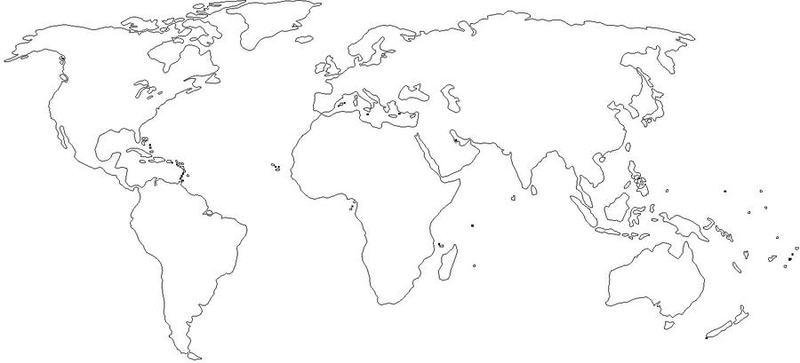
Word List: Pacific Ocean, India, China, Papua New Guinea
STRAND 4: Resources & Economic Activities · 26 marks
Question types: Multiple Choice (10) • Matching (6) • Comprehension Passage (5) • Paragraph Writing (5)
Part A — Multiple Choice [10 marks]
1. Aid from donor countries is
✔ Answer: C
2. In a family budget, which item is placed under INCOME?
✔ Answer: A
3. A common feature of globalisation is the rise of
✔ Answer: C
4. A budget is created to
✔ Answer: D
5. A source or supply from which benefit is produced is known as
✔ Answer: B
6. A major contributor to economic development in Fiji is
✔ Answer: D
7. Which resource cannot be stored or saved for later use?
✔ Answer: B
8. Globalisation has impacted Fiji and the Pacific by
✔ Answer: B
9. A good way to save money is to
✔ Answer: C
10. A characteristic of resources is that they
✔ Answer: D
Part B — Matching [6 marks]
1. Coal and oil
✔ Answer: A
2. Items we can live without
✔ Answer: B
3. Items needed for survival
✔ Answer: C
4. Money kept for the future
✔ Answer: D
5. Energy from the sun
✔ Answer: E
6. Using resources wisely for tomorrow
✔ Answer: F
Part C — Comprehension Passage [5 marks] "A Family Budget That Works"
budget. Two hundred dollars is kept for food, one hundred and fifty for rent, eighty for bus fares, seventy for electricity, and fifty for the children's school needs. Whatever is left is placed in a savings account at the bank. Because they spend less than they earn, the family survived a hard month when their father's work hours were cut, without borrowing a single dollar.
1. How much does the family earn, and how often?
✔ Model answer: (see the Detailed Solution PDF)
2. What is a budget?
✔ Model answer: (see the Detailed Solution PDF)
3. List TWO items in the Naidu family budget.
✔ Model answer: (see the Detailed Solution PDF)
4. Where do they keep their savings?
✔ Model answer: (see the Detailed Solution PDF)
5. Why did the family survive the hard month?
✔ Model answer: (see the Detailed Solution PDF)
Part D — Paragraph Writing [5 marks]