FEMIS ID: Name: Class:
STRAND 1: Social Organisation & Processes · 26 marks
Question types: Multiple Choice (10) • Matching (6) • Comprehension Passage (5) • Paragraph Writing (5)
Part A — Multiple Choice [10 marks]
1. A group whose members share common cultural characteristics is called a(n)
✔ Answer: D
2. People grouped by the language they speak form a
✔ Answer: A
3. The main purpose of the United Nations is to
✔ Answer: D
4. UNICEF was created mainly to help
✔ Answer: D
5. The International Monetary Fund (IMF) was established in
✔ Answer: B
6. NATO is best described as a
✔ Answer: A
7. The World Environment Organisation (WEO) protects
✔ Answer: D
8. Samoa, Tonga and Easter Island are home to the
✔ Answer: C
9. People with straight black hair and inner eye folds — such as the Japanese and Chinese — are called
✔ Answer: D
10. The i-Taukei are the indigenous people of
✔ Answer: D
Part B — Matching [6 marks]
1. Groups sharing ancestry
✔ Answer: A
2. Groups sharing work
✔ Answer: B
3. Groups sharing income level
✔ Answer: C
4. Groups sharing customs
✔ Answer: D
5. Groups sharing language
✔ Answer: E
6. Groups sharing faith
✔ Answer: F
Part C — Comprehension Passage [5 marks] "The European Union"
trade and political cooperation. Members can trade with one another without heavy taxes, and citizens may live and work in any member state. The EU also gives aid to developing countries, including Pacific Island nations, supporting schools, clean water projects and disaster relief. With twenty-seven members, the EU shows how former rivals can become partners.
1. In which year was the EU formed?
✔ Model answer: (see the Detailed Solution PDF)
2. State TWO purposes of the EU.
✔ Model answer: (see the Detailed Solution PDF)
3. What can EU citizens do that others cannot?
✔ Model answer: (see the Detailed Solution PDF)
4. How does the EU help developing countries?
✔ Model answer: (see the Detailed Solution PDF)
5. How many members does the EU have today?
✔ Model answer: (see the Detailed Solution PDF)
Part D — Paragraph Writing [5 marks]
STRAND 2: Time, Continuity & Change · 22 marks
Question types: Multiple Choice (8) • True/False (6) • Fill in the Blanks (4) • Resource Interpretation (4)
Part A — Multiple Choice [8 marks]
1. The modern Olympic Games were inspired by the ancient games held in
✔ Answer: B
2. Adolf Hitler was the leader of Nazi Germany from
✔ Answer: A
3. The first Fijian professional golfer ranked world number one is
✔ Answer: C
4. An example of a global pandemic is
✔ Answer: A
5. Baron Pierre de Coubertin founded the International Olympic Committee in
✔ Answer: D
6. World War II was from
✔ Answer: D
7. The first woman Prime Minister of Pakistan was
✔ Answer: B
8. People who study the past are called
✔ Answer: C
Part B — True or False [6 marks]
1. Deserts are found in polar regions.
✔ Answer: F
2. The earth needs to be protected only by governments.
✔ Answer: F
3. A resource is a source or supply from which benefit is produced.
✔ Answer: T
4. Greenpeace is a governmental environmental organisation.
✔ Answer: F
5. Skin colour is one characteristic used to categorise groups of people.
✔ Answer: T
6. The Pacific Games are held every two years.
✔ Answer: F
Part C — Fill in the Blanks [4 marks]
1. World War I began in 19 and Fiji became independent in 19. (2 marks)
✔ Answers: 1914; 1970
2. The Red Cross was founded in 18 and the next Commonwealth Games (2026) will be held in , Scotland. (2 marks)
✔ Answers: 1863; Glasgow
Part D — Resource Interpretation [4 marks] study the photograph
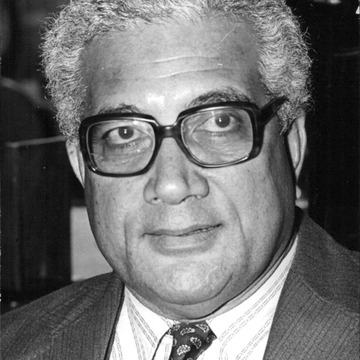
1. Who is the person in the photograph?
✔ Model answer: (see the Detailed Solution PDF)
2. What position did he first hold in independent Fiji?
✔ Model answer: (see the Detailed Solution PDF)
3. In which year did Fiji gain independence under his leadership?
✔ Model answer: (see the Detailed Solution PDF)
4. Why is he remembered as the father of modern Fiji?
✔ Model answer: (see the Detailed Solution PDF)
STRAND 3: Place & Environment · 26 marks
Question types: Multiple Choice (10) • Matching (6) • Short-Answer Questions (6) • Resource Interpretation (4)
Part A — Multiple Choice [10 marks]
1. In which climatic region would you most likely find harsh winters and heavy snowfall?
✔ Answer: A
2. Which of the following is an effect of climate change?
✔ Answer: A
3. When forests are cleared, one likely result is
✔ Answer: C
4. The two most important factors that determine climate are
✔ Answer: D
5. Ozone depletion primarily results from the release of
✔ Answer: D
6. Traditional knowledge refers to practices
✔ Answer: B
7. The long-term pattern of weather in a particular area is
✔ Answer: C
8. Global warming is mainly caused by
✔ Answer: D
9. Which organisation plays a key NGO role in alleviating environmental issues?
✔ Answer: D
10. The south polar circle of the earth is the
✔ Answer: D
Part B — Matching [6 marks]
1. Reduce, re-use and...
✔ Answer: A
2. Using resources so they last
✔ Answer: B
3. Energy that cannot be replaced
✔ Answer: C
4. Energy from the sun
✔ Answer: D
5. Protected coastal ecosystems
✔ Answer: E
6. Damage to land by rubbish
✔ Answer: F
Part C — Short-Answer Questions [6 marks]
1. Explain two ways women can contribute towards preparing for a natural disaster.
✔ Model answer: (see the Detailed Solution PDF)
2. State one way animals are affected when rainforests are cleared.
✔ Model answer: (see the Detailed Solution PDF)
3. State one way students can respond to changes and hazards.
✔ Model answer: (see the Detailed Solution PDF)
Part D — Resource Interpretation [4 marks] study the resource
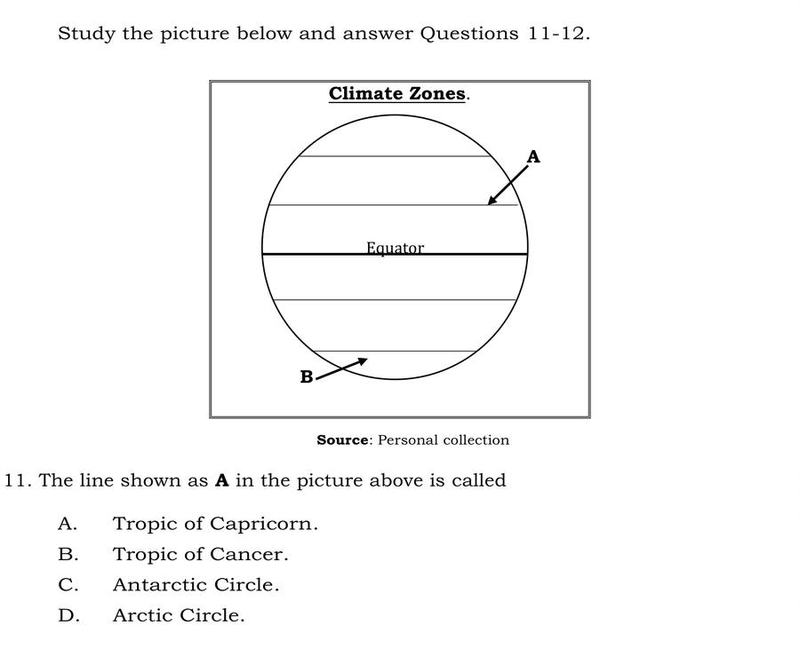
1. Name the line at 0 degrees latitude.
✔ Model answer: (see the Detailed Solution PDF)
2. At which degrees do the Tropics lie?
✔ Model answer: (see the Detailed Solution PDF)
3. Describe the climate near the poles.
✔ Model answer: (see the Detailed Solution PDF)
4. Name the climate zone around the Equator.
✔ Model answer: (see the Detailed Solution PDF)
STRAND 4: Resources & Economic Activities · 26 marks
Question types: Multiple Choice (10) • Matching (6) • Comprehension Passage (5) • Paragraph Writing (5)
Part A — Multiple Choice [10 marks]
1. The best way to avoid impulse spending is to
✔ Answer: C
2. “Time and tide wait for no man” teaches us to
✔ Answer: A
3. A positive impact of globalisation on transport is
✔ Answer: D
4. One benefit of effective time management is
✔ Answer: D
5. A disadvantage of globalisation is
✔ Answer: C
6. Impulsive buying means
✔ Answer: C
7. A method used to monitor financial health in personal budgeting is
✔ Answer: A
8. An important feature of globalisation is
✔ Answer: C
9. A fortnight consists of
✔ Answer: C
10. The movement of qualified people to other countries is called
✔ Answer: A
Part B — Matching [6 marks]
1. Plan of your study hours
✔ Answer: A
2. Bank account for saving
✔ Answer: B
3. A list of items to buy
✔ Answer: C
4. Money paid out
✔ Answer: D
5. Money gained from work
✔ Answer: E
6. Spending less than you earn
✔ Answer: F
Part C — Comprehension Passage [5 marks] "The Global Village"
transport and communication networks possible. People and countries can now exchange information and goods more quickly and easily. Globalisation comes from the word globe and means the coming together of countries and nations. This leads to a fast shrinking world - an interconnected "one world" whose economies, societies and cultures are closely linked in what we call the global village. A shopper in Suva can buy a towel made in America, a plate from China and a spoon from Japan, all in one store.
1. Name TWO technologies that sped up globalisation.
✔ Model answer: (see the Detailed Solution PDF)
2. What does globalisation mean?
✔ Model answer: (see the Detailed Solution PDF)
3. What is meant by the "global village"?
✔ Model answer: (see the Detailed Solution PDF)
4. Give ONE example of globalisation from the passage.
✔ Model answer: (see the Detailed Solution PDF)
5. How does globalisation help Fiji's economy?
✔ Model answer: (see the Detailed Solution PDF)
Part D — Paragraph Writing [5 marks]