FEMIS ID: Name: Class:
STRAND 1: Social Organisation & Processes · 26 marks
Question types: Multiple Choice (10) • Matching (6) • Comprehension Passage (5) • Paragraph Writing (5)
Part A — Multiple Choice [10 marks]
1. The i-Taukei are the indigenous people of
✔ Answer: D
2. Fijians established their identity as a Pacific community mainly through
✔ Answer: D
3. UNICEF was created by the UN General Assembly on 11 December
✔ Answer: D
4. The FAO of the United Nations works hard to defeat
✔ Answer: D
5. The World Bank mainly
✔ Answer: D
6. A country which is NOT a member of the United Nations is
✔ Answer: A
7. Fiji belongs to which group of Pacific islands?
✔ Answer: A
8. People with light skin and blonde hair are commonly called
✔ Answer: B
9. A characteristic strongly associated with Pacific Island identity is
✔ Answer: A
10. Farmers, teachers and fishers grouped by work form a(n)
✔ Answer: C
Part B — Matching [6 marks]
1. "Fiat Panis - let there be bread"
✔ Answer: A
2. The UN agency for health
✔ Answer: B
3. An NGO that protects the environment
✔ Answer: C
4. Founded UNICEF
✔ Answer: D
5. First woman PM of Pakistan
✔ Answer: E
6. Founded the Red Cross
✔ Answer: F
Part C — Comprehension Passage [5 marks] "The Red Cross at Work"
businessman named Henry Dunant. After seeing the suffering of soldiers at the Battle of Solferino, Dunant organised local people to care for the wounded. Today the Movement works in almost every country of the world. Its volunteers bring food, clean water, shelter and medicine to families hit by cyclones, floods and war. During Cyclone Winston in 2016, Red Cross teams in Fiji helped rebuild homes and delivered relief supplies to thousands of people.
1. In which year was the Movement founded?
✔ Model answer: (see the Detailed Solution PDF)
2. Who founded the Red Cross?
✔ Model answer: (see the Detailed Solution PDF)
3. What did Dunant do after the Battle of Solferino?
✔ Model answer: (see the Detailed Solution PDF)
4. Name TWO things volunteers bring to disaster zones.
✔ Model answer: (see the Detailed Solution PDF)
5. Name ONE way the Red Cross helped Fiji.
✔ Model answer: (see the Detailed Solution PDF)
Part D — Paragraph Writing [5 marks]
STRAND 2: Time, Continuity & Change · 22 marks
Question types: Multiple Choice (8) • True/False (6) • Fill in the Blanks (4) • Resource Interpretation (4)
Part A — Multiple Choice [8 marks]
1. World War II was from
✔ Answer: B
2. The first woman Prime Minister of Pakistan was
✔ Answer: B
3. People who study the past are called
✔ Answer: A
4. The Commonwealth Games of 1942 and 1946 were cancelled because of
✔ Answer: D
5. Which of these is an economic development in Fiji?
✔ Answer: D
6. The first person to walk on the moon was
✔ Answer: D
7. The first President of Fiji was
✔ Answer: B
8. Bill Gates became famous as the founder of
✔ Answer: C
Part B — True or False [6 marks]
1. The problems of pollution cannot be solved overnight and need everyone’s help.
✔ Answer: T
2. Conscious choice saves time.
✔ Answer: T
3. UNICEF was created by the UN General Assembly on 11 December 1946.
✔ Answer: T
4. Europeans are sometimes called Negroids.
✔ Answer: F
5. The Commonwealth Games was first held in 1930.
✔ Answer: T
6. The Prime Meridian is zero degrees latitude.
✔ Answer: F
Part C — Fill in the Blanks [4 marks]
1. World War II lasted from 19 to 19. (2 marks)
✔ Answers: 1939 and 1945
2. The first South Pacific Games were held in (city) in 19. (2 marks)
✔ Answers: Suva, 1963
Part D — Resource Interpretation [4 marks] study the photograph
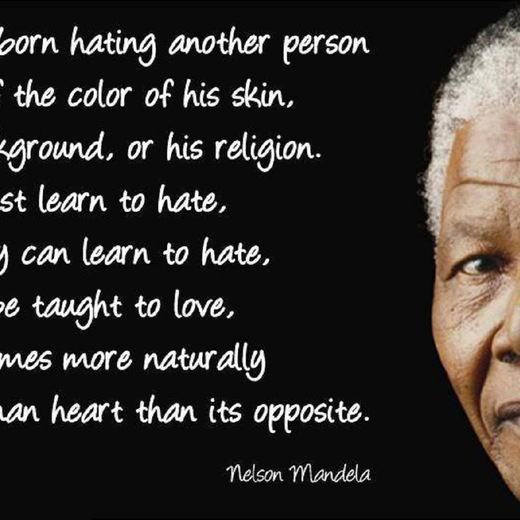
1. Who is the person in the photograph?
✔ Model answer: (see the Detailed Solution PDF)
2. Which country did he lead?
✔ Model answer: (see the Detailed Solution PDF)
3. What is apartheid?
✔ Model answer: (see the Detailed Solution PDF)
4. Name ONE award he received.
✔ Model answer: (see the Detailed Solution PDF)
STRAND 3: Place & Environment · 26 marks
Question types: Multiple Choice (10) • Matching (6) • Short-Answer Questions (6) • Resource Interpretation (4)
Part A — Multiple Choice [10 marks]
1. The sea or ocean affects the climate of a nearby place by
✔ Answer: A
2. Land pollution can be reduced by
✔ Answer: A
3. The Tropic of Capricorn lies at
✔ Answer: D
4. The four climatic zones include the Polar, Temperate, Tropics and
✔ Answer: C
5. Water pollution is caused mainly by
✔ Answer: D
6. The Prime Meridian is zero degrees
✔ Answer: B
7. The shape of an area of land — its hills, valleys and mountains — is called
✔ Answer: C
8. A renewable source of energy is
✔ Answer: A
9. The longest line of latitude is the
✔ Answer: B
10. As we move higher up a mountain, the weather becomes
✔ Answer: B
Part B — Matching [6 marks]
1. Largest hot desert
✔ Answer: A
2. Harsh winters and heavy snowfall
✔ Answer: B
3. Moderate climate with mild seasons
✔ Answer: C
4. Lines running North to South
✔ Answer: D
5. The higher you go, the colder it becomes
✔ Answer: E
6. Hot and humid region around the Equator
✔ Answer: F
Part C — Short-Answer Questions [6 marks]
1. Give one reason why rainforests are removed.
✔ Model answer: (see the Detailed Solution PDF)
2. Describe one feature of the Temperate climatic region.
✔ Model answer: (see the Detailed Solution PDF)
3. State one way in which climate affects the daily lives of people.
✔ Model answer: (see the Detailed Solution PDF)
Part D — Resource Interpretation [4 marks] study the map
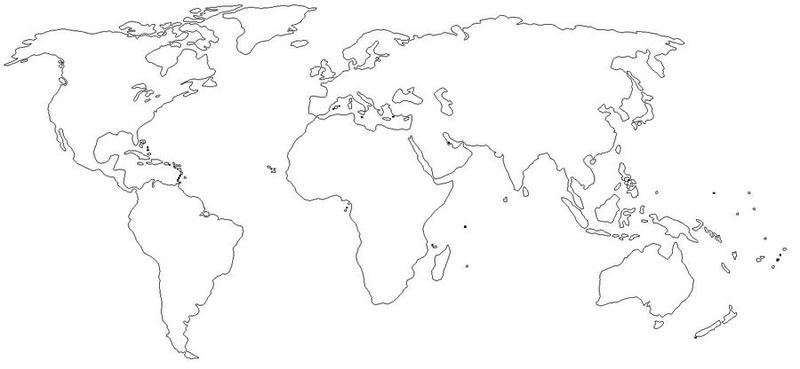
Word List: South Atlantic, China, Vanuatu, Mount Cook
STRAND 4: Resources & Economic Activities · 26 marks
Question types: Multiple Choice (10) • Matching (6) • Comprehension Passage (5) • Paragraph Writing (5)
Part A — Multiple Choice [10 marks]
1. Sustainability means
✔ Answer: A
2. Goods made in China, Japan and the USA sold in a Suva supermarket show we live in a
✔ Answer: B
3. An example of a financial institution is a
✔ Answer: B
4. Globalisation comes from “globe” and means the coming together of countries — a fast
✔ Answer: B
5. A budget is best described as a plan of
✔ Answer: A
6. Which of the following is a non-renewable source of energy?
✔ Answer: D
7. Aid from donor countries is
✔ Answer: B
8. In a family budget, which item is placed under INCOME?
✔ Answer: A
9. A common feature of globalisation is the rise of
✔ Answer: B
10. A budget is created to
✔ Answer: A
Part B — Matching [6 marks]
1. The one resource you cannot store
✔ Answer: A
2. A plan of income and expenditure
✔ Answer: B
3. Payment for work
✔ Answer: C
4. Buying without planning
✔ Answer: D
5. A place that safely keeps money
✔ Answer: E
6. Fourteen days
✔ Answer: F
Part C — Comprehension Passage [5 marks] "Time - The Resource You Cannot Store"
time is different: once an hour is gone, it can never be brought back. That is why wise people manage their time carefully. They set priorities, do the most important tasks first, and keep a timetable. Students who plan their study time finish their work with less stress and still have time for family and sport. A fortnight has fourteen days - plan them well!
1. Which resource can never be stored?
✔ Model answer: (see the Detailed Solution PDF)
2. List TWO things that CAN be stored.
✔ Model answer: (see the Detailed Solution PDF)
3. What are TWO good time management habits?
✔ Model answer: (see the Detailed Solution PDF)
4. How do students benefit from planning study time?
✔ Model answer: (see the Detailed Solution PDF)
5. How many days are in a fortnight?
✔ Model answer: (see the Detailed Solution PDF)
Part D — Paragraph Writing [5 marks]