FEMIS ID: Name: Class:
STRAND 1: Social Organisation & Processes · 26 marks
Question types: Multiple Choice (10) • Matching (6) • Comprehension Passage (5) • Paragraph Writing (5)
Part A — Multiple Choice [10 marks]
1. Farmers, teachers and fishers grouped by work form a(n)
✔ Answer: C
2. The World Health Organisation (WHO) was formed in
✔ Answer: A
3. UNESCO was formed in
✔ Answer: C
4. The IMF promotes
✔ Answer: C
5. The International Red Cross and Red Crescent Movement was founded in
✔ Answer: C
6. The organisation which promotes equal standards of living through the world of work is the
✔ Answer: C
7. Aborigines are the natives of
✔ Answer: C
8. The Australoid people include the Aborigines of
✔ Answer: D
9. Christians, Hindus and Muslims together form a
✔ Answer: B
10. The United Nations (UN) was founded in
✔ Answer: D
Part B — Matching [6 marks]
1. First inhabitants of a place
✔ Answer: A
2. Dark-skinned Pacific people
✔ Answer: B
3. People of Kiribati and the Marshalls
✔ Answer: C
4. Natives of Australia
✔ Answer: D
5. Natives of New Zealand
✔ Answer: E
6. People of Samoa and Tonga
✔ Answer: F
Part C — Comprehension Passage [5 marks] "UNICEF Works for Children"
December 1946 to bring emergency food and healthcare to children suffering after World War II. Its founder, Ludwik Rajchman, believed no child should be forgotten. Today UNICEF builds classrooms, trains teachers, provides clean water and vaccinates children in more than 190 countries. In Fiji, UNICEF has supported cyclone-proof schools and child health programmes, helping every child to learn and grow safely.
1. When and by whom was UNICEF created?
✔ Model answer: (see the Detailed Solution PDF)
2. Why was UNICEF first set up?
✔ Model answer: (see the Detailed Solution PDF)
3. What did Ludwik Rajchman believe?
✔ Model answer: (see the Detailed Solution PDF)
4. List TWO things UNICEF does today.
✔ Model answer: (see the Detailed Solution PDF)
5. How has UNICEF helped schools in Fiji?
✔ Model answer: (see the Detailed Solution PDF)
Part D — Paragraph Writing [5 marks]
STRAND 2: Time, Continuity & Change · 22 marks
Question types: Multiple Choice (8) • True/False (6) • Fill in the Blanks (4) • Resource Interpretation (4)
Part A — Multiple Choice [8 marks]
1. The first person to walk on the moon was
✔ Answer: D
2. The first President of Fiji was
✔ Answer: D
3. Bill Gates became famous as the founder of
✔ Answer: C
4. Fiji gained independence in the year
✔ Answer: C
5. The African president renowned for combating apartheid was
✔ Answer: C
6. Roy Krishna is famous as a
✔ Answer: A
7. A medical pandemic from the list below is
✔ Answer: A
8. The first South Pacific Games (now Pacific Games) were held in
✔ Answer: B
Part B — True or False [6 marks]
1. A fortnight consists of two weeks.
✔ Answer: T
2. Globalisation has influenced Pacific economies through tourism.
✔ Answer: T
3. Aborigines are the indigenous people of Asia.
✔ Answer: F
4. The Second World War involved many nations of the world.
✔ Answer: T
5. People from different ethnic groups living together can be described as cultural diversity.
✔ Answer: T
6. Sea level rise is a consequence of global warming.
✔ Answer: T
Part C — Fill in the Blanks [4 marks]
1. World War I began in 19 and Fiji became independent in 19. (2 marks)
✔ Answers: 1914; 1970
2. The Red Cross was founded in 18 and the next Commonwealth Games (2026) will be held in , Scotland. (2 marks)
✔ Answers: 1863; Glasgow
Part D — Resource Interpretation [4 marks] study the photograph
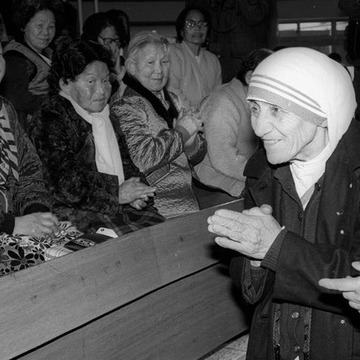
1. Who is the person in the photograph?
✔ Model answer: (see the Detailed Solution PDF)
2. Which organisation did she found?
✔ Model answer: (see the Detailed Solution PDF)
3. Where did she serve the poor?
✔ Model answer: (see the Detailed Solution PDF)
4. Name ONE award she received.
✔ Model answer: (see the Detailed Solution PDF)
STRAND 3: Place & Environment · 26 marks
Question types: Multiple Choice (10) • Matching (6) • Short-Answer Questions (6) • Resource Interpretation (4)
Part A — Multiple Choice [10 marks]
1. One way individuals can reduce their carbon footprint is by
✔ Answer: B
2. Lines of latitude run
✔ Answer: B
3. The climate around the Equator is usually
✔ Answer: D
4. Deforestation and heavy fuel consumption are major contributors to
✔ Answer: C
5. No rainfall in an area for a long period of time causes a
✔ Answer: D
6. A characteristic of the polar region is
✔ Answer: D
7. An economic effect of climate change on farming regions is
✔ Answer: D
8. Heavy flooding can cause stagnant water which leads to
✔ Answer: B
9. In which climatic region would you most likely find harsh winters and heavy snowfall?
✔ Answer: D
10. Which of the following is an effect of climate change?
✔ Answer: A
Part B — Matching [6 marks]
1. The shape of the land
✔ Answer: A
2. 0 degrees longitude
✔ Answer: B
3. The long-term pattern of weather
✔ Answer: C
4. 23.5 degrees South
✔ Answer: D
5. 0 degrees latitude
✔ Answer: E
6. Day-to-day condition of the atmosphere
✔ Answer: F
Part C — Short-Answer Questions [6 marks]
1. Explain one reason why tropical rainforests are important to us.
✔ Model answer: (see the Detailed Solution PDF)
2. Explain why the Tropic of Capricorn is important.
✔ Model answer: (see the Detailed Solution PDF)
3. Name two animals that inhabit the Arctic region.
✔ Model answer: (see the Detailed Solution PDF)
Part D — Resource Interpretation [4 marks] study the resource
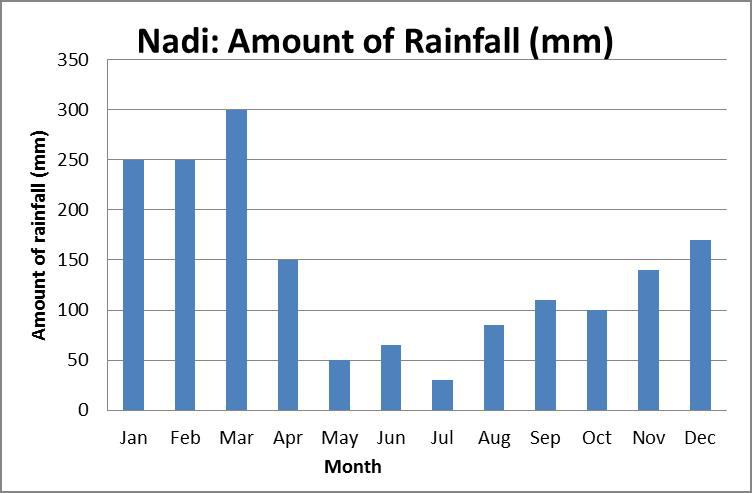
1. Identify the wettest month.
✔ Model answer: (see the Detailed Solution PDF)
2. Identify the driest month.
✔ Model answer: (see the Detailed Solution PDF)
3. Which TWO months recorded equal rainfall?
✔ Model answer: (see the Detailed Solution PDF)
4. State the trend over the months shown.
✔ Model answer: (see the Detailed Solution PDF)
STRAND 4: Resources & Economic Activities · 26 marks
Question types: Multiple Choice (10) • Matching (6) • Comprehension Passage (5) • Paragraph Writing (5)
Part A — Multiple Choice [10 marks]
1. Globalisation has impacted Fiji and the Pacific by
✔ Answer: C
2. A good way to save money is to
✔ Answer: B
3. A characteristic of resources is that they
✔ Answer: D
4. The factor that greatly influences the interconnection of countries today is
✔ Answer: B
5. Time management helps us to
✔ Answer: B
6. An advantage of globalisation is the
✔ Answer: A
7. The best way to avoid impulse spending is to
✔ Answer: A
8. “Time and tide wait for no man” teaches us to
✔ Answer: D
9. A positive impact of globalisation on transport is
✔ Answer: D
10. One benefit of effective time management is
✔ Answer: C
Part B — Matching [6 marks]
1. Interchange of world views and products
✔ Answer: A
2. Donations from donor countries
✔ Answer: B
3. Interconnected world community
✔ Answer: C
4. Movement of qualified people abroad
✔ Answer: D
5. Fiji's biggest service industry
✔ Answer: E
6. Company operating in many countries
✔ Answer: F
Part C — Comprehension Passage [5 marks] "Aid - Friends Across the Ocean"
donations of cash or kind given by donor countries and organisations, and unlike a loan, it does not have to be repaid. After Cyclone Winston, Australia, New Zealand, India and China sent tents, food, water purifiers and rescue teams to Fiji. The World Bank and the Asian Development Bank also supported rebuilding programmes. Aid is one way the countries of the world show that we all belong to one global family.
1. What is aid?
✔ Model answer: (see the Detailed Solution PDF)
2. Does aid have to be repaid?
✔ Model answer: (see the Detailed Solution PDF)
3. Name TWO donor countries that helped Fiji after Cyclone Winston.
✔ Model answer: (see the Detailed Solution PDF)
4. What TWO things did the donors send?
✔ Model answer: (see the Detailed Solution PDF)
5. Name ONE organisation that supported rebuilding.
✔ Model answer: (see the Detailed Solution PDF)
Part D — Paragraph Writing [5 marks]