FEMIS ID: Name: Class:
STRAND 1: Social Organisation & Processes · 26 marks
Question types: Multiple Choice (10) • Matching (6) • Comprehension Passage (5) • Paragraph Writing (5)
Part A — Multiple Choice [10 marks]
1. The United Nations (UN) was founded in
✔ Answer: A
2. The founder of UNICEF was
✔ Answer: C
3. The FAO Latin motto “Fiat Panis” means
✔ Answer: C
4. The European Union (EU) was formed to
✔ Answer: C
5. Greenpeace is best described as
✔ Answer: B
6. Kiribati and the Marshall Islands are classified as
✔ Answer: A
7. The Negroid people are also known as
✔ Answer: D
8. Different ethnic groups living together happily is best described as
✔ Answer: B
9. People grouped by wealth or income level form a
✔ Answer: C
10. The primary function of the WHO is to
✔ Answer: C
Part B — Matching [6 marks]
1. 1948 - health for all
✔ Answer: A
2. 1949 - defence alliance
✔ Answer: B
3. 1993 - free trade in Europe
✔ Answer: C
4. 1945 - peace and security
✔ Answer: D
5. 1946 - children's fund
✔ Answer: E
6. 1944 - global financial stability
✔ Answer: F
Part C — Comprehension Passage [5 marks] "The World Health Organisation"
international public health. Its aim is the highest possible standard of health for all people. WHO fights diseases like malaria and measles, trains health workers, and sends emergency teams when epidemics strike. During the COVID-19 pandemic, WHO shared information with every country and helped poorer nations obtain vaccines. When cyclone damage brought outbreaks of leptospirosis and typhoid to Fiji, WHO supported the Ministry of Health with medicines and advice.
1. In which year was WHO formed?
✔ Model answer: (see the Detailed Solution PDF)
2. What is WHO's main aim?
✔ Model answer: (see the Detailed Solution PDF)
3. Name TWO activities of WHO.
✔ Model answer: (see the Detailed Solution PDF)
4. How did WHO help during the COVID-19 pandemic?
✔ Model answer: (see the Detailed Solution PDF)
5. How has WHO helped Fiji?
✔ Model answer: (see the Detailed Solution PDF)
Part D — Paragraph Writing [5 marks]
STRAND 2: Time, Continuity & Change · 22 marks
Question types: Multiple Choice (8) • True/False (6) • Fill in the Blanks (4) • Resource Interpretation (4)
Part A — Multiple Choice [8 marks]
1. Roy Krishna is famous as a
✔ Answer: A
2. A medical pandemic from the list below is
✔ Answer: C
3. The first South Pacific Games (now Pacific Games) were held in
✔ Answer: B
4. World War I began in
✔ Answer: D
5. The Fijian rugby player renowned as the “King of 7s” is
✔ Answer: A
6. The quick spread of a disease within a short time in one area is a(n)
✔ Answer: B
7. The Olympic Games are held every
✔ Answer: A
8. A group of people settling away from their place of origin to take control of another area is
✔ Answer: B
Part B — True or False [6 marks]
1. An important feature of globalisation is connectedness.
✔ Answer: T
2. Fiji lives in a global village and needs to know what is happening around her.
✔ Answer: T
3. World War II lasted from 1939 to 1945.
✔ Answer: T
4. Rules help control behaviour in a community.
✔ Answer: T
5. The Antarctic is a frozen continent in the North Pole.
✔ Answer: F
6. Creating a budget helps you spend your money wisely.
✔ Answer: T
Part C — Fill in the Blanks [4 marks]
1. The first Commonwealth Games were held in 19. (2 marks)
✔ Answers: 1939 and 1945
2. The first South Pacific Games were held in (city) in 19. (2 marks)
✔ Answers: Suva, 1963
Part D — Resource Interpretation [4 marks] study the photograph
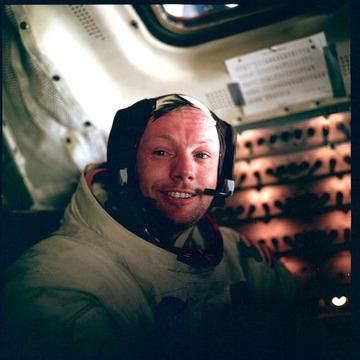
1. Who is the person in the photograph?
✔ Model answer: (see the Detailed Solution PDF)
2. What is he famous for?
✔ Model answer: (see the Detailed Solution PDF)
3. In which year did it happen?
✔ Model answer: (see the Detailed Solution PDF)
4. Name the spacecraft of his famous mission.
✔ Model answer: (see the Detailed Solution PDF)
STRAND 3: Place & Environment · 26 marks
Question types: Multiple Choice (10) • Matching (6) • Short-Answer Questions (6) • Resource Interpretation (4)
Part A — Multiple Choice [10 marks]
1. Traditional knowledge refers to practices
✔ Answer: B
2. The long-term pattern of weather in a particular area is
✔ Answer: D
3. Global warming is mainly caused by
✔ Answer: B
4. Which organisation plays a key NGO role in alleviating environmental issues?
✔ Answer: C
5. The south polar circle of the earth is the
✔ Answer: D
6. The climate of a region determines
✔ Answer: A
7. The best way to reduce solid industrial waste is by
✔ Answer: C
8. The Tropic of Cancer lies at
✔ Answer: C
9. The sea or ocean affects the climate of a nearby place by
✔ Answer: C
10. Land pollution can be reduced by
✔ Answer: A
Part B — Matching [6 marks]
1. Chemicals that deplete ozone
✔ Answer: A
2. NGO that protects the oceans
✔ Answer: B
3. Rise in the Earth's average temperature
✔ Answer: C
4. Gases that trap heat
✔ Answer: D
5. Planting of trees
✔ Answer: E
6. Burning of forests
✔ Answer: F
Part C — Short-Answer Questions [6 marks]
1. State one way students can respond to changes and hazards.
✔ Model answer: (see the Detailed Solution PDF)
2. List two natural hazards often encountered in Fiji.
✔ Model answer: (see the Detailed Solution PDF)
3. Explain an impact of a tropical cyclone in Fiji.
✔ Model answer: (see the Detailed Solution PDF)
Part D — Resource Interpretation [4 marks] study the map
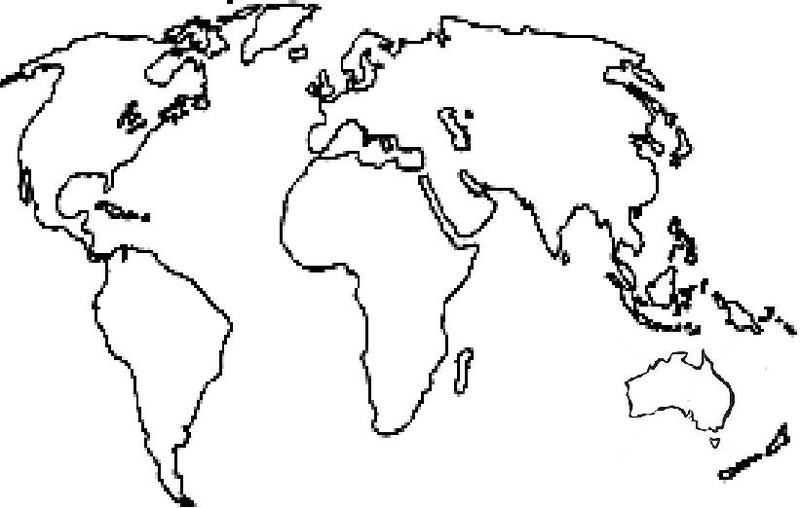
Word List: America (USA), Australia, New Zealand, Japan
STRAND 4: Resources & Economic Activities · 26 marks
Question types: Multiple Choice (10) • Matching (6) • Comprehension Passage (5) • Paragraph Writing (5)
Part A — Multiple Choice [10 marks]
1. An important feature of globalisation is
✔ Answer: B
2. A fortnight consists of
✔ Answer: D
3. The movement of qualified people to other countries is called
✔ Answer: B
4. Credit and debit cards can easily
✔ Answer: D
5. Globalisation is best described as the
✔ Answer: B
6. Globalisation refers to the emergence of an international network of
✔ Answer: D
7. Sustainability means
✔ Answer: D
8. Goods made in China, Japan and the USA sold in a Suva supermarket show we live in a
✔ Answer: B
9. An example of a financial institution is a
✔ Answer: B
10. Globalisation comes from “globe” and means the coming together of countries — a fast
✔ Answer: C
Part B — Matching [6 marks]
1. Money kept for the future
✔ Answer: A
2. Items needed for survival
✔ Answer: B
3. Items we can live without
✔ Answer: C
4. Energy from the sun
✔ Answer: D
5. Using resources wisely for tomorrow
✔ Answer: E
6. Coal and oil
✔ Answer: F
Part C — Comprehension Passage [5 marks] "Tourism - Fiji's Golden Industry"
is one of the largest contributors to Fiji's economy. It creates jobs in hotels, airlines, transport, handicrafts and farming. When a resort buys fish from local fishermen, vegetables from local growers and mats from village weavers, the money spreads through the whole community. Globalisation has brought these visitors to our shores through international flights, internet booking and worldwide advertising.
1. What is tourism?
✔ Model answer: (see the Detailed Solution PDF)
2. Why is tourism important to Fiji's economy?
✔ Model answer: (see the Detailed Solution PDF)
3. Name TWO jobs created by tourism.
✔ Model answer: (see the Detailed Solution PDF)
4. How does tourism help local farmers and fishers?
✔ Model answer: (see the Detailed Solution PDF)
5. How has globalisation helped tourism?
✔ Model answer: (see the Detailed Solution PDF)
Part D — Paragraph Writing [5 marks]