FEMIS ID: Name: Class:
STRAND 1: Social Organisation & Processes · 26 marks
Question types: Multiple Choice (10) • Matching (6) • Comprehension Passage (5) • Paragraph Writing (5)
Part A — Multiple Choice [10 marks]
1. UNICEF was created mainly to help
✔ Answer: B
2. The International Monetary Fund (IMF) was established in
✔ Answer: A
3. NATO is best described as a
✔ Answer: D
4. The World Environment Organisation (WEO) protects
✔ Answer: B
5. Samoa, Tonga and Easter Island are home to the
✔ Answer: B
6. People with straight black hair and inner eye folds — such as the Japanese and Chinese — are called
✔ Answer: C
7. The i-Taukei are the indigenous people of
✔ Answer: C
8. Fijians established their identity as a Pacific community mainly through
✔ Answer: A
9. UNICEF was created by the UN General Assembly on 11 December
✔ Answer: B
10. The FAO of the United Nations works hard to defeat
✔ Answer: A
Part B — Matching [6 marks]
1. "Fiat Panis - let there be bread"
✔ Answer: A
2. The UN agency for health
✔ Answer: B
3. Founded UNICEF
✔ Answer: C
4. First woman PM of Pakistan
✔ Answer: D
5. An NGO that protects the environment
✔ Answer: E
6. Founded the Red Cross
✔ Answer: F
Part C — Comprehension Passage [5 marks] "Living Together in Our Communities"
live and work side by side. This living together of different ethnic groups is called cultural diversity. When people of different cultures share their foods, festivals and customs, everyone learns respect and tolerance, and the community grows stronger. Social groups like churches, schools and sports clubs also bring people together and teach us cooperation and good values.
1. Name TWO ethnic groups living in Fiji.
✔ Model answer: (see the Detailed Solution PDF)
2. What is cultural diversity?
✔ Model answer: (see the Detailed Solution PDF)
3. How does diversity make a community stronger?
✔ Model answer: (see the Detailed Solution PDF)
4. Name TWO social groups that bring people together.
✔ Model answer: (see the Detailed Solution PDF)
5. What values do we learn from social groups?
✔ Model answer: (see the Detailed Solution PDF)
Part D — Paragraph Writing [5 marks]
STRAND 2: Time, Continuity & Change · 22 marks
Question types: Multiple Choice (8) • True/False (6) • Fill in the Blanks (4) • Resource Interpretation (4)
Part A — Multiple Choice [8 marks]
1. The Commonwealth Games was first held in
✔ Answer: A
2. The Pacific Games are held every
✔ Answer: B
3. The lady who established the Missionaries of Charity to serve the poor was
✔ Answer: C
4. Ratu Sir Kamisese Mara played a significant role in
✔ Answer: C
5. Christopher Columbus, born in 1451, was famous as a(n)
✔ Answer: B
6. The modern Olympic Games were inspired by the ancient games held in
✔ Answer: B
7. Adolf Hitler was the leader of Nazi Germany from
✔ Answer: A
8. The first Fijian professional golfer ranked world number one is
✔ Answer: C
Part B — True or False [6 marks]
1. Barack Obama is a former President of Canada.
✔ Answer: F
2. Dengue fever is an example of an epidemic in Fiji.
✔ Answer: T
3. The air in the Polar Regions is cold.
✔ Answer: T
4. Greenland has approximately 50,000 inhabitants.
✔ Answer: T
5. Underground resources include gold, copper and silver.
✔ Answer: T
6. World organisations contribute to the destruction of the environment.
✔ Answer: F
Part C — Fill in the Blanks [4 marks]
1. World War II lasted from 19 to 19. (2 marks)
✔ Answers: 1939 and 1945
2. The first South Pacific Games were held in (city) in 19. (2 marks)
✔ Answers: Suva, 1963
Part D — Resource Interpretation [4 marks] study the photograph
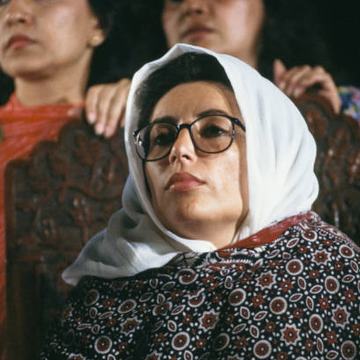
1. Who is the person in the photograph?
✔ Model answer: (see the Detailed Solution PDF)
2. What "first" is she famous for?
✔ Model answer: (see the Detailed Solution PDF)
3. Which country did she lead?
✔ Model answer: (see the Detailed Solution PDF)
4. What does her story teach about women in leadership?
✔ Model answer: (see the Detailed Solution PDF)
STRAND 3: Place & Environment · 26 marks
Question types: Multiple Choice (10) • Matching (6) • Short-Answer Questions (6) • Resource Interpretation (4)
Part A — Multiple Choice [10 marks]
1. A characteristic of the polar region is
✔ Answer: D
2. An economic effect of climate change on farming regions is
✔ Answer: A
3. Heavy flooding can cause stagnant water which leads to
✔ Answer: A
4. In which climatic region would you most likely find harsh winters and heavy snowfall?
✔ Answer: D
5. Which of the following is an effect of climate change?
✔ Answer: D
6. When forests are cleared, one likely result is
✔ Answer: C
7. The two most important factors that determine climate are
✔ Answer: A
8. Ozone depletion primarily results from the release of
✔ Answer: C
9. Traditional knowledge refers to practices
✔ Answer: C
10. The long-term pattern of weather in a particular area is
✔ Answer: D
Part B — Matching [6 marks]
1. Harsh winters and heavy snowfall
✔ Answer: A
2. Moderate climate with mild seasons
✔ Answer: B
3. Largest hot desert
✔ Answer: C
4. Lines running North to South
✔ Answer: D
5. Hot and humid region around the Equator
✔ Answer: E
6. The higher you go, the colder it becomes
✔ Answer: F
Part C — Short-Answer Questions [6 marks]
1. Name two animals that inhabit the Arctic region.
✔ Model answer: (see the Detailed Solution PDF)
2. State two negative effects of natural disasters for Fiji.
✔ Model answer: (see the Detailed Solution PDF)
3. State two reasons why the mangrove ecosystem should be conserved.
✔ Model answer: (see the Detailed Solution PDF)
Part D — Resource Interpretation [4 marks] study the map
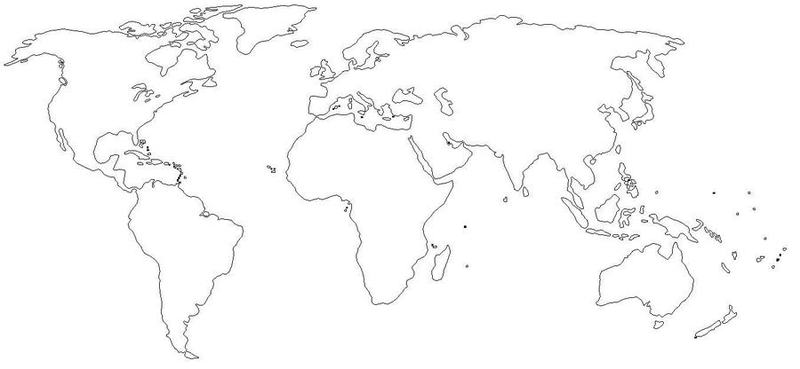
Word List: Sahara, Papua New Guinea, New South Wales, Tasmania
STRAND 4: Resources & Economic Activities · 26 marks
Question types: Multiple Choice (10) • Matching (6) • Comprehension Passage (5) • Paragraph Writing (5)
Part A — Multiple Choice [10 marks]
1. “Time and tide wait for no man” teaches us to
✔ Answer: B
2. A positive impact of globalisation on transport is
✔ Answer: C
3. One benefit of effective time management is
✔ Answer: A
4. A disadvantage of globalisation is
✔ Answer: C
5. Impulsive buying means
✔ Answer: C
6. A method used to monitor financial health in personal budgeting is
✔ Answer: C
7. An important feature of globalisation is
✔ Answer: C
8. A fortnight consists of
✔ Answer: B
9. The movement of qualified people to other countries is called
✔ Answer: A
10. Credit and debit cards can easily
✔ Answer: D
Part B — Matching [6 marks]
1. Payment for work
✔ Answer: A
2. A plan of income and expenditure
✔ Answer: B
3. A place that safely keeps money
✔ Answer: C
4. The one resource you cannot store
✔ Answer: D
5. Fourteen days
✔ Answer: E
6. Buying without planning
✔ Answer: F
Part C — Comprehension Passage [5 marks] "The Global Village"
transport and communication networks possible. People and countries can now exchange information and goods more quickly and easily. Globalisation comes from the word globe and means the coming together of countries and nations. This leads to a fast shrinking world - an interconnected "one world" whose economies, societies and cultures are closely linked in what we call the global village. A shopper in Suva can buy a towel made in America, a plate from China and a spoon from Japan, all in one store.
1. Name TWO technologies that sped up globalisation.
✔ Model answer: (see the Detailed Solution PDF)
2. What does globalisation mean?
✔ Model answer: (see the Detailed Solution PDF)
3. What is meant by the "global village"?
✔ Model answer: (see the Detailed Solution PDF)
4. Give ONE example of globalisation from the passage.
✔ Model answer: (see the Detailed Solution PDF)
5. How does globalisation help Fiji's economy?
✔ Model answer: (see the Detailed Solution PDF)
Part D — Paragraph Writing [5 marks]