FEMIS ID: Name: Class:
STRAND 1: Social Organisation & Processes · 26 marks
Question types: Multiple Choice (10) • Matching (6) • Comprehension Passage (5) • Paragraph Writing (5)
Part A — Multiple Choice [10 marks]
1. The IMF promotes
✔ Answer: D
2. The International Red Cross and Red Crescent Movement was founded in
✔ Answer: B
3. The organisation which promotes equal standards of living through the world of work is the
✔ Answer: C
4. Aborigines are the natives of
✔ Answer: A
5. The Australoid people include the Aborigines of
✔ Answer: A
6. Christians, Hindus and Muslims together form a
✔ Answer: C
7. The United Nations (UN) was founded in
✔ Answer: A
8. The founder of UNICEF was
✔ Answer: A
9. The FAO Latin motto “Fiat Panis” means
✔ Answer: B
10. The European Union (EU) was formed to
✔ Answer: D
Part B — Matching [6 marks]
1. 1993 - free trade in Europe
✔ Answer: A
2. 1949 - defence alliance
✔ Answer: B
3. 1946 - children's fund
✔ Answer: C
4. 1945 - peace and security
✔ Answer: D
5. 1944 - global financial stability
✔ Answer: E
6. 1948 - health for all
✔ Answer: F
Part C — Comprehension Passage [5 marks] "The Red Cross at Work"
businessman named Henry Dunant. After seeing the suffering of soldiers at the Battle of Solferino, Dunant organised local people to care for the wounded. Today the Movement works in almost every country of the world. Its volunteers bring food, clean water, shelter and medicine to families hit by cyclones, floods and war. During Cyclone Winston in 2016, Red Cross teams in Fiji helped rebuild homes and delivered relief supplies to thousands of people.
1. In which year was the Movement founded?
✔ Model answer: (see the Detailed Solution PDF)
2. Who founded the Red Cross?
✔ Model answer: (see the Detailed Solution PDF)
3. What did Dunant do after the Battle of Solferino?
✔ Model answer: (see the Detailed Solution PDF)
4. Name TWO things volunteers bring to disaster zones.
✔ Model answer: (see the Detailed Solution PDF)
5. Name ONE way the Red Cross helped Fiji.
✔ Model answer: (see the Detailed Solution PDF)
Part D — Paragraph Writing [5 marks]
STRAND 2: Time, Continuity & Change · 22 marks
Question types: Multiple Choice (8) • True/False (6) • Fill in the Blanks (4) • Resource Interpretation (4)
Part A — Multiple Choice [8 marks]
1. World War II was from
✔ Answer: C
2. The first woman Prime Minister of Pakistan was
✔ Answer: C
3. People who study the past are called
✔ Answer: A
4. The Commonwealth Games of 1942 and 1946 were cancelled because of
✔ Answer: A
5. Which of these is an economic development in Fiji?
✔ Answer: C
6. The first person to walk on the moon was
✔ Answer: C
7. The first President of Fiji was
✔ Answer: C
8. Bill Gates became famous as the founder of
✔ Answer: A
Part B — True or False [6 marks]
1. Lines running from North to South on a map are called latitudes.
✔ Answer: F
2. The problems of pollution cannot be solved overnight and need everyone’s help.
✔ Answer: T
3. Conscious choice saves time.
✔ Answer: T
4. UNICEF was created by the UN General Assembly on 11 December 1946.
✔ Answer: T
5. Europeans are sometimes called Negroids.
✔ Answer: F
6. The Commonwealth Games was first held in 1930.
✔ Answer: T
Part C — Fill in the Blanks [4 marks]
1. The first Commonwealth Games were held in 19. (2 marks)
✔ Answers: 1939 and 1945
2. The first South Pacific Games were held in (city) in 19. (2 marks)
✔ Answers: Suva, 1963
Part D — Resource Interpretation [4 marks] study the photograph
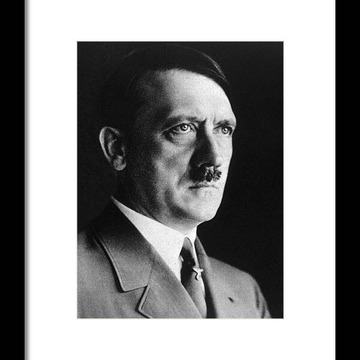
1. Who is the person in the photograph?
✔ Model answer: (see the Detailed Solution PDF)
2. Which country did he lead, and in which years?
✔ Model answer: (see the Detailed Solution PDF)
3. What world event did his actions start in 1939?
✔ Model answer: (see the Detailed Solution PDF)
4. What lesson does this history teach the world?
✔ Model answer: (see the Detailed Solution PDF)
STRAND 3: Place & Environment · 26 marks
Question types: Multiple Choice (10) • Matching (6) • Short-Answer Questions (6) • Resource Interpretation (4)
Part A — Multiple Choice [10 marks]
1. One way to reduce the effects of climate change is to
✔ Answer: C
2. Lines of longitude run
✔ Answer: D
3. The Sahara Desert belongs to which climatic region?
✔ Answer: C
4. One way individuals can reduce their carbon footprint is by
✔ Answer: A
5. Lines of latitude run
✔ Answer: D
6. The climate around the Equator is usually
✔ Answer: A
7. Deforestation and heavy fuel consumption are major contributors to
✔ Answer: A
8. No rainfall in an area for a long period of time causes a
✔ Answer: B
9. A characteristic of the polar region is
✔ Answer: B
10. An economic effect of climate change on farming regions is
✔ Answer: C
Part B — Matching [6 marks]
1. Burning of forests
✔ Answer: A
2. Chemicals that deplete ozone
✔ Answer: B
3. Planting of trees
✔ Answer: C
4. Rise in the Earth's average temperature
✔ Answer: D
5. NGO that protects the oceans
✔ Answer: E
6. Gases that trap heat
✔ Answer: F
Part C — Short-Answer Questions [6 marks]
1. Define the term natural disaster and give an example.
✔ Model answer: (see the Detailed Solution PDF)
2. Give one reason why rainforests are removed.
✔ Model answer: (see the Detailed Solution PDF)
3. Describe one feature of the Temperate climatic region.
✔ Model answer: (see the Detailed Solution PDF)
Part D — Resource Interpretation [4 marks] study the map
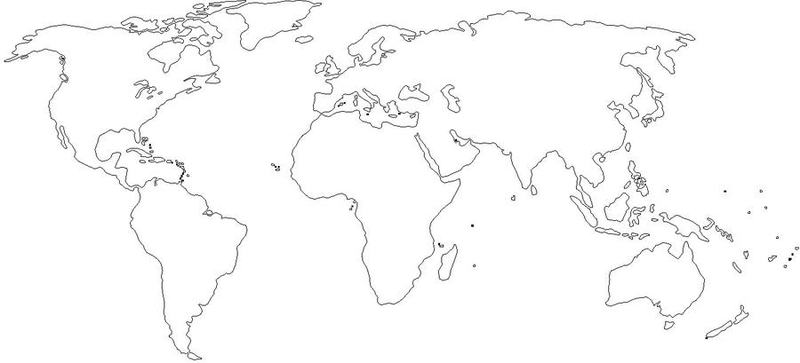
Word List: Pacific Ocean, India, China, Papua New Guinea
STRAND 4: Resources & Economic Activities · 26 marks
Question types: Multiple Choice (10) • Matching (6) • Comprehension Passage (5) • Paragraph Writing (5)
Part A — Multiple Choice [10 marks]
1. A good way to save money is to
✔ Answer: C
2. A characteristic of resources is that they
✔ Answer: A
3. The factor that greatly influences the interconnection of countries today is
✔ Answer: A
4. Time management helps us to
✔ Answer: C
5. An advantage of globalisation is the
✔ Answer: D
6. The best way to avoid impulse spending is to
✔ Answer: A
7. “Time and tide wait for no man” teaches us to
✔ Answer: C
8. A positive impact of globalisation on transport is
✔ Answer: B
9. One benefit of effective time management is
✔ Answer: C
10. A disadvantage of globalisation is
✔ Answer: B
Part B — Matching [6 marks]
1. Coal and oil
✔ Answer: A
2. Money kept for the future
✔ Answer: B
3. Energy from the sun
✔ Answer: C
4. Items needed for survival
✔ Answer: D
5. Items we can live without
✔ Answer: E
6. Using resources wisely for tomorrow
✔ Answer: F
Part C — Comprehension Passage [5 marks] "Aid - Friends Across the Ocean"
donations of cash or kind given by donor countries and organisations, and unlike a loan, it does not have to be repaid. After Cyclone Winston, Australia, New Zealand, India and China sent tents, food, water purifiers and rescue teams to Fiji. The World Bank and the Asian Development Bank also supported rebuilding programmes. Aid is one way the countries of the world show that we all belong to one global family.
1. What is aid?
✔ Model answer: (see the Detailed Solution PDF)
2. Does aid have to be repaid?
✔ Model answer: (see the Detailed Solution PDF)
3. Name TWO donor countries that helped Fiji after Cyclone Winston.
✔ Model answer: (see the Detailed Solution PDF)
4. What TWO things did the donors send?
✔ Model answer: (see the Detailed Solution PDF)
5. Name ONE organisation that supported rebuilding.
✔ Model answer: (see the Detailed Solution PDF)
Part D — Paragraph Writing [5 marks]