FEMIS ID: Name: Class:
STRAND 1: Social Organisation & Processes · 26 marks
Question types: Multiple Choice (10) • Matching (6) • Comprehension Passage (5) • Paragraph Writing (5)
Part A — Multiple Choice [10 marks]
1. The founder of the Red Cross was
✔ Answer: D
2. The UNFCCC is the United Nations Framework Convention on
✔ Answer: C
3. The indigenous people of New Zealand are the
✔ Answer: D
4. A group whose members share common cultural characteristics is called a(n)
✔ Answer: C
5. People grouped by the language they speak form a
✔ Answer: A
6. The main purpose of the United Nations is to
✔ Answer: C
7. UNICEF was created mainly to help
✔ Answer: B
8. The International Monetary Fund (IMF) was established in
✔ Answer: B
9. NATO is best described as a
✔ Answer: B
10. The World Environment Organisation (WEO) protects
✔ Answer: B
Part B — Matching [6 marks]
1. "Fiat Panis - let there be bread"
✔ Answer: A
2. The UN agency for health
✔ Answer: B
3. An NGO that protects the environment
✔ Answer: C
4. First woman PM of Pakistan
✔ Answer: D
5. Founded the Red Cross
✔ Answer: E
6. Founded UNICEF
✔ Answer: F
Part C — Comprehension Passage [5 marks] "The World Health Organisation"
international public health. Its aim is the highest possible standard of health for all people. WHO fights diseases like malaria and measles, trains health workers, and sends emergency teams when epidemics strike. During the COVID-19 pandemic, WHO shared information with every country and helped poorer nations obtain vaccines. When cyclone damage brought outbreaks of leptospirosis and typhoid to Fiji, WHO supported the Ministry of Health with medicines and advice.
1. In which year was WHO formed?
✔ Model answer: (see the Detailed Solution PDF)
2. What is WHO's main aim?
✔ Model answer: (see the Detailed Solution PDF)
3. Name TWO activities of WHO.
✔ Model answer: (see the Detailed Solution PDF)
4. How did WHO help during the COVID-19 pandemic?
✔ Model answer: (see the Detailed Solution PDF)
5. How has WHO helped Fiji?
✔ Model answer: (see the Detailed Solution PDF)
Part D — Paragraph Writing [5 marks]
STRAND 2: Time, Continuity & Change · 22 marks
Question types: Multiple Choice (8) • True/False (6) • Fill in the Blanks (4) • Resource Interpretation (4)
Part A — Multiple Choice [8 marks]
1. Roy Krishna is famous as a
✔ Answer: C
2. A medical pandemic from the list below is
✔ Answer: A
3. The first South Pacific Games (now Pacific Games) were held in
✔ Answer: D
4. World War I began in
✔ Answer: B
5. The Fijian rugby player renowned as the “King of 7s” is
✔ Answer: B
6. The quick spread of a disease within a short time in one area is a(n)
✔ Answer: A
7. The Olympic Games are held every
✔ Answer: D
8. A group of people settling away from their place of origin to take control of another area is
✔ Answer: A
Part B — True or False [6 marks]
1. Spending money wisely can lead to a better financial future.
✔ Answer: T
2. An important feature of globalisation is connectedness.
✔ Answer: T
3. Fiji lives in a global village and needs to know what is happening around her.
✔ Answer: T
4. World War II lasted from 1939 to 1945.
✔ Answer: T
5. Rules help control behaviour in a community.
✔ Answer: T
6. The Antarctic is a frozen continent in the North Pole.
✔ Answer: F
Part C — Fill in the Blanks [4 marks]
1. World War II lasted from 19 to 19. (2 marks)
✔ Answers: 1939 and 1945
2. The first South Pacific Games were held in (city) in 19. (2 marks)
✔ Answers: Suva, 1963
Part D — Resource Interpretation [4 marks] study the photograph

1. Who is the person in the photograph?
✔ Model answer: (see the Detailed Solution PDF)
2. Why is he famous?
✔ Model answer: (see the Detailed Solution PDF)
3. Name ONE achievement of his career.
✔ Model answer: (see the Detailed Solution PDF)
4. State ONE influence sportspeople like him have on young Fijians.
✔ Model answer: (see the Detailed Solution PDF)
STRAND 3: Place & Environment · 26 marks
Question types: Multiple Choice (10) • Matching (6) • Short-Answer Questions (6) • Resource Interpretation (4)
Part A — Multiple Choice [10 marks]
1. The Tropic of Capricorn lies at
✔ Answer: D
2. The four climatic zones include the Polar, Temperate, Tropics and
✔ Answer: C
3. Water pollution is caused mainly by
✔ Answer: B
4. The Prime Meridian is zero degrees
✔ Answer: A
5. The shape of an area of land — its hills, valleys and mountains — is called
✔ Answer: B
6. A renewable source of energy is
✔ Answer: C
7. The longest line of latitude is the
✔ Answer: D
8. As we move higher up a mountain, the weather becomes
✔ Answer: B
9. One way to reduce the effects of climate change is to
✔ Answer: A
10. Lines of longitude run
✔ Answer: A
Part B — Matching [6 marks]
1. Moderate climate with mild seasons
✔ Answer: A
2. Largest hot desert
✔ Answer: B
3. Lines running North to South
✔ Answer: C
4. Harsh winters and heavy snowfall
✔ Answer: D
5. Hot and humid region around the Equator
✔ Answer: E
6. The higher you go, the colder it becomes
✔ Answer: F
Part C — Short-Answer Questions [6 marks]
1. State one way animals are affected when rainforests are cleared.
✔ Model answer: (see the Detailed Solution PDF)
2. State one way students can respond to changes and hazards.
✔ Model answer: (see the Detailed Solution PDF)
3. List two natural hazards often encountered in Fiji.
✔ Model answer: (see the Detailed Solution PDF)
Part D — Resource Interpretation [4 marks] study the map
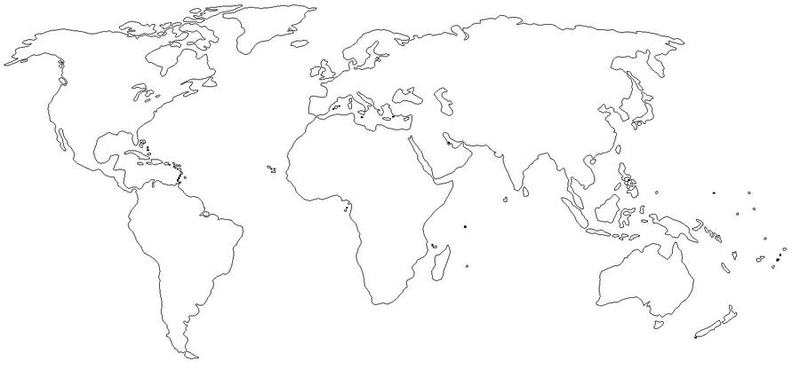
Word List: South Atlantic, China, Vanuatu, Mount Cook
STRAND 4: Resources & Economic Activities · 26 marks
Question types: Multiple Choice (10) • Matching (6) • Comprehension Passage (5) • Paragraph Writing (5)
Part A — Multiple Choice [10 marks]
1. A common feature of globalisation is the rise of
✔ Answer: D
2. A budget is created to
✔ Answer: B
3. A source or supply from which benefit is produced is known as
✔ Answer: B
4. A major contributor to economic development in Fiji is
✔ Answer: D
5. Which resource cannot be stored or saved for later use?
✔ Answer: D
6. Globalisation has impacted Fiji and the Pacific by
✔ Answer: A
7. A good way to save money is to
✔ Answer: B
8. A characteristic of resources is that they
✔ Answer: D
9. The factor that greatly influences the interconnection of countries today is
✔ Answer: A
10. Time management helps us to
✔ Answer: A
Part B — Matching [6 marks]
1. The one resource you cannot store
✔ Answer: A
2. A plan of income and expenditure
✔ Answer: B
3. A place that safely keeps money
✔ Answer: C
4. Buying without planning
✔ Answer: D
5. Fourteen days
✔ Answer: E
6. Payment for work
✔ Answer: F
Part C — Comprehension Passage [5 marks] "A Family Budget That Works"
budget. Two hundred dollars is kept for food, one hundred and fifty for rent, eighty for bus fares, seventy for electricity, and fifty for the children's school needs. Whatever is left is placed in a savings account at the bank. Because they spend less than they earn, the family survived a hard month when their father's work hours were cut, without borrowing a single dollar.
1. How much does the family earn, and how often?
✔ Model answer: (see the Detailed Solution PDF)
2. What is a budget?
✔ Model answer: (see the Detailed Solution PDF)
3. List TWO items in the Naidu family budget.
✔ Model answer: (see the Detailed Solution PDF)
4. Where do they keep their savings?
✔ Model answer: (see the Detailed Solution PDF)
5. Why did the family survive the hard month?
✔ Model answer: (see the Detailed Solution PDF)
Part D — Paragraph Writing [5 marks]