FEMIS ID: Name: Class:
STRAND 1: Social Organisation & Processes · 26 marks
Question types: Multiple Choice (10) • Matching (6) • Comprehension Passage (5) • Paragraph Writing (5)
Part A — Multiple Choice [10 marks]
1. Aborigines are the natives of
✔ Answer: A
2. The Australoid people include the Aborigines of
✔ Answer: A
3. Christians, Hindus and Muslims together form a
✔ Answer: C
4. The United Nations (UN) was founded in
✔ Answer: A
5. The founder of UNICEF was
✔ Answer: A
6. The FAO Latin motto “Fiat Panis” means
✔ Answer: C
7. The European Union (EU) was formed to
✔ Answer: B
8. Greenpeace is best described as
✔ Answer: D
9. Kiribati and the Marshall Islands are classified as
✔ Answer: A
10. The Negroid people are also known as
✔ Answer: A
Part B — Matching [6 marks]
1. Groups sharing customs
✔ Answer: A
2. Groups sharing faith
✔ Answer: B
3. Groups sharing income level
✔ Answer: C
4. Groups sharing language
✔ Answer: D
5. Groups sharing work
✔ Answer: E
6. Groups sharing ancestry
✔ Answer: F
Part C — Comprehension Passage [5 marks] "The European Union"
trade and political cooperation. Members can trade with one another without heavy taxes, and citizens may live and work in any member state. The EU also gives aid to developing countries, including Pacific Island nations, supporting schools, clean water projects and disaster relief. With twenty-seven members, the EU shows how former rivals can become partners.
1. In which year was the EU formed?
✔ Model answer: (see the Detailed Solution PDF)
2. State TWO purposes of the EU.
✔ Model answer: (see the Detailed Solution PDF)
3. What can EU citizens do that others cannot?
✔ Model answer: (see the Detailed Solution PDF)
4. How does the EU help developing countries?
✔ Model answer: (see the Detailed Solution PDF)
5. How many members does the EU have today?
✔ Model answer: (see the Detailed Solution PDF)
Part D — Paragraph Writing [5 marks]
STRAND 2: Time, Continuity & Change · 22 marks
Question types: Multiple Choice (8) • True/False (6) • Fill in the Blanks (4) • Resource Interpretation (4)
Part A — Multiple Choice [8 marks]
1. The modern Olympic Games were inspired by the ancient games held in
✔ Answer: A
2. Adolf Hitler was the leader of Nazi Germany from
✔ Answer: C
3. The first Fijian professional golfer ranked world number one is
✔ Answer: A
4. An example of a global pandemic is
✔ Answer: B
5. Baron Pierre de Coubertin founded the International Olympic Committee in
✔ Answer: C
6. World War II was from
✔ Answer: D
7. The first woman Prime Minister of Pakistan was
✔ Answer: A
8. People who study the past are called
✔ Answer: A
Part B — True or False [6 marks]
1. Roy Krishna is a famous soccer player from Fiji.
✔ Answer: T
2. The Olympic Games are held every four years.
✔ Answer: T
3. Deserts are found in polar regions.
✔ Answer: F
4. The earth needs to be protected only by governments.
✔ Answer: F
5. A resource is a source or supply from which benefit is produced.
✔ Answer: T
6. Greenpeace is a governmental environmental organisation.
✔ Answer: F
Part C — Fill in the Blanks [4 marks]
1. World War I began in 19 and Fiji became independent in 19. (2 marks)
✔ Answers: 1914; 1970
2. The Red Cross was founded in 18 and the next Commonwealth Games (2026) will be held in , Scotland. (2 marks)
✔ Answers: 1863; Glasgow
Part D — Resource Interpretation [4 marks] study the photograph
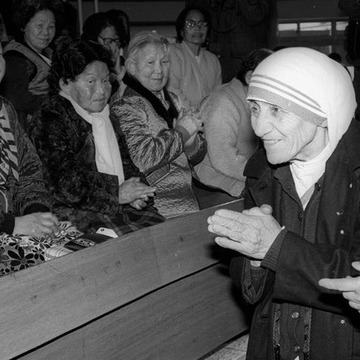
1. Who is the person in the photograph?
✔ Model answer: (see the Detailed Solution PDF)
2. Which organisation did she found?
✔ Model answer: (see the Detailed Solution PDF)
3. Where did she serve the poor?
✔ Model answer: (see the Detailed Solution PDF)
4. Name ONE award she received.
✔ Model answer: (see the Detailed Solution PDF)
STRAND 3: Place & Environment · 26 marks
Question types: Multiple Choice (10) • Matching (6) • Short-Answer Questions (6) • Resource Interpretation (4)
Part A — Multiple Choice [10 marks]
1. A renewable source of energy is
✔ Answer: B
2. The longest line of latitude is the
✔ Answer: A
3. As we move higher up a mountain, the weather becomes
✔ Answer: D
4. One way to reduce the effects of climate change is to
✔ Answer: B
5. Lines of longitude run
✔ Answer: B
6. The Sahara Desert belongs to which climatic region?
✔ Answer: A
7. One way individuals can reduce their carbon footprint is by
✔ Answer: D
8. Lines of latitude run
✔ Answer: C
9. The climate around the Equator is usually
✔ Answer: B
10. Deforestation and heavy fuel consumption are major contributors to
✔ Answer: B
Part B — Matching [6 marks]
1. Protected coastal ecosystems
✔ Answer: A
2. Energy that cannot be replaced
✔ Answer: B
3. Damage to land by rubbish
✔ Answer: C
4. Reduce, re-use and...
✔ Answer: D
5. Energy from the sun
✔ Answer: E
6. Using resources so they last
✔ Answer: F
Part C — Short-Answer Questions [6 marks]
1. List two natural hazards often encountered in Fiji.
✔ Model answer: (see the Detailed Solution PDF)
2. Explain an impact of a tropical cyclone in Fiji.
✔ Model answer: (see the Detailed Solution PDF)
3. Explain two ways women can contribute towards preparing for a natural disaster.
✔ Model answer: (see the Detailed Solution PDF)
Part D — Resource Interpretation [4 marks] study the resource
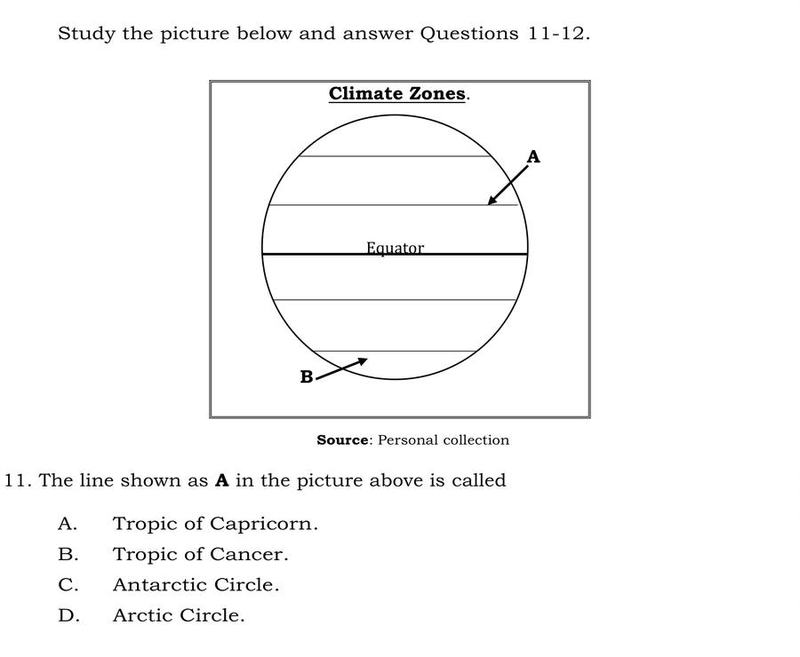
1. Name the line at 0 degrees latitude.
✔ Model answer: (see the Detailed Solution PDF)
2. At which degrees do the Tropics lie?
✔ Model answer: (see the Detailed Solution PDF)
3. Describe the climate near the poles.
✔ Model answer: (see the Detailed Solution PDF)
4. Name the climate zone around the Equator.
✔ Model answer: (see the Detailed Solution PDF)
STRAND 4: Resources & Economic Activities · 26 marks
Question types: Multiple Choice (10) • Matching (6) • Comprehension Passage (5) • Paragraph Writing (5)
Part A — Multiple Choice [10 marks]
1. A characteristic of resources is that they
✔ Answer: B
2. The factor that greatly influences the interconnection of countries today is
✔ Answer: C
3. Time management helps us to
✔ Answer: A
4. An advantage of globalisation is the
✔ Answer: A
5. The best way to avoid impulse spending is to
✔ Answer: B
6. “Time and tide wait for no man” teaches us to
✔ Answer: B
7. A positive impact of globalisation on transport is
✔ Answer: A
8. One benefit of effective time management is
✔ Answer: C
9. A disadvantage of globalisation is
✔ Answer: B
10. Impulsive buying means
✔ Answer: D
Part B — Matching [6 marks]
1. A list of items to buy
✔ Answer: A
2. Plan of your study hours
✔ Answer: B
3. Spending less than you earn
✔ Answer: C
4. Bank account for saving
✔ Answer: D
5. Money gained from work
✔ Answer: E
6. Money paid out
✔ Answer: F
Part C — Comprehension Passage [5 marks] "Aid - Friends Across the Ocean"
donations of cash or kind given by donor countries and organisations, and unlike a loan, it does not have to be repaid. After Cyclone Winston, Australia, New Zealand, India and China sent tents, food, water purifiers and rescue teams to Fiji. The World Bank and the Asian Development Bank also supported rebuilding programmes. Aid is one way the countries of the world show that we all belong to one global family.
1. What is aid?
✔ Model answer: (see the Detailed Solution PDF)
2. Does aid have to be repaid?
✔ Model answer: (see the Detailed Solution PDF)
3. Name TWO donor countries that helped Fiji after Cyclone Winston.
✔ Model answer: (see the Detailed Solution PDF)
4. What TWO things did the donors send?
✔ Model answer: (see the Detailed Solution PDF)
5. Name ONE organisation that supported rebuilding.
✔ Model answer: (see the Detailed Solution PDF)
Part D — Paragraph Writing [5 marks]