FEMIS ID: Name: Class:
STRAND 1: Social Organisation & Processes · 26 marks
Question types: Multiple Choice (10) • Matching (6) • Comprehension Passage (5) • Paragraph Writing (5)
Part A — Multiple Choice [10 marks]
1. The Negroid people are also known as
✔ Answer: D
2. Different ethnic groups living together happily is best described as
✔ Answer: B
3. People grouped by wealth or income level form a
✔ Answer: C
4. The primary function of the WHO is to
✔ Answer: C
5. UNESCO contributes to peace by promoting
✔ Answer: B
6. The World Bank was created in
✔ Answer: C
7. The founder of the Red Cross was
✔ Answer: D
8. The UNFCCC is the United Nations Framework Convention on
✔ Answer: C
9. The indigenous people of New Zealand are the
✔ Answer: B
10. A group whose members share common cultural characteristics is called a(n)
✔ Answer: C
Part B — Matching [6 marks]
1. "Fiat Panis - let there be bread"
✔ Answer: A
2. Founded UNICEF
✔ Answer: B
3. The UN agency for health
✔ Answer: C
4. An NGO that protects the environment
✔ Answer: D
5. First woman PM of Pakistan
✔ Answer: E
6. Founded the Red Cross
✔ Answer: F
Part C — Comprehension Passage [5 marks] "The Red Cross at Work"
businessman named Henry Dunant. After seeing the suffering of soldiers at the Battle of Solferino, Dunant organised local people to care for the wounded. Today the Movement works in almost every country of the world. Its volunteers bring food, clean water, shelter and medicine to families hit by cyclones, floods and war. During Cyclone Winston in 2016, Red Cross teams in Fiji helped rebuild homes and delivered relief supplies to thousands of people.
1. In which year was the Movement founded?
✔ Model answer: (see the Detailed Solution PDF)
2. Who founded the Red Cross?
✔ Model answer: (see the Detailed Solution PDF)
3. What did Dunant do after the Battle of Solferino?
✔ Model answer: (see the Detailed Solution PDF)
4. Name TWO things volunteers bring to disaster zones.
✔ Model answer: (see the Detailed Solution PDF)
5. Name ONE way the Red Cross helped Fiji.
✔ Model answer: (see the Detailed Solution PDF)
Part D — Paragraph Writing [5 marks]
STRAND 2: Time, Continuity & Change · 22 marks
Question types: Multiple Choice (8) • True/False (6) • Fill in the Blanks (4) • Resource Interpretation (4)
Part A — Multiple Choice [8 marks]
1. World War II was from
✔ Answer: B
2. The first woman Prime Minister of Pakistan was
✔ Answer: B
3. People who study the past are called
✔ Answer: A
4. The Commonwealth Games of 1942 and 1946 were cancelled because of
✔ Answer: A
5. Which of these is an economic development in Fiji?
✔ Answer: B
6. The first person to walk on the moon was
✔ Answer: B
7. The first President of Fiji was
✔ Answer: A
8. Bill Gates became famous as the founder of
✔ Answer: C
Part B — True or False [6 marks]
1. The South Pacific Games were first held in 1930.
✔ Answer: F
2. Lines running from North to South on a map are called latitudes.
✔ Answer: F
3. The problems of pollution cannot be solved overnight and need everyone’s help.
✔ Answer: T
4. Conscious choice saves time.
✔ Answer: T
5. UNICEF was created by the UN General Assembly on 11 December 1946.
✔ Answer: T
6. Europeans are sometimes called Negroids.
✔ Answer: F
Part C — Fill in the Blanks [4 marks]
1. World War II lasted from 19 to 19. (2 marks)
✔ Answers: 1939 and 1945
2. The first South Pacific Games were held in (city) in 19. (2 marks)
✔ Answers: Suva, 1963
Part D — Resource Interpretation [4 marks] study the photograph
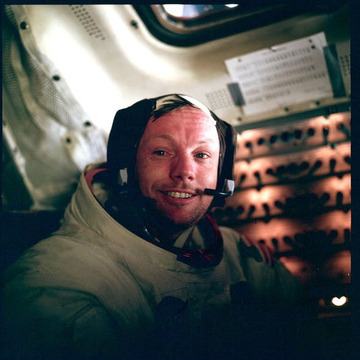
1. Who is the person in the photograph?
✔ Model answer: (see the Detailed Solution PDF)
2. What is he famous for?
✔ Model answer: (see the Detailed Solution PDF)
3. In which year did it happen?
✔ Model answer: (see the Detailed Solution PDF)
4. Name the spacecraft of his famous mission.
✔ Model answer: (see the Detailed Solution PDF)
STRAND 3: Place & Environment · 26 marks
Question types: Multiple Choice (10) • Matching (6) • Short-Answer Questions (6) • Resource Interpretation (4)
Part A — Multiple Choice [10 marks]
1. Heavy flooding can cause stagnant water which leads to
✔ Answer: B
2. In which climatic region would you most likely find harsh winters and heavy snowfall?
✔ Answer: C
3. Which of the following is an effect of climate change?
✔ Answer: A
4. When forests are cleared, one likely result is
✔ Answer: A
5. The two most important factors that determine climate are
✔ Answer: B
6. Ozone depletion primarily results from the release of
✔ Answer: B
7. Traditional knowledge refers to practices
✔ Answer: D
8. The long-term pattern of weather in a particular area is
✔ Answer: B
9. Global warming is mainly caused by
✔ Answer: C
10. Which organisation plays a key NGO role in alleviating environmental issues?
✔ Answer: A
Part B — Matching [6 marks]
1. Harsh winters and heavy snowfall
✔ Answer: A
2. The higher you go, the colder it becomes
✔ Answer: B
3. Largest hot desert
✔ Answer: C
4. Moderate climate with mild seasons
✔ Answer: D
5. Hot and humid region around the Equator
✔ Answer: E
6. Lines running North to South
✔ Answer: F
Part C — Short-Answer Questions [6 marks]
1. Explain one way to reduce the impact of global warming.
✔ Model answer: (see the Detailed Solution PDF)
2. Define the term natural disaster and give an example.
✔ Model answer: (see the Detailed Solution PDF)
3. Give one reason why rainforests are removed.
✔ Model answer: (see the Detailed Solution PDF)
Part D — Resource Interpretation [4 marks] study the map
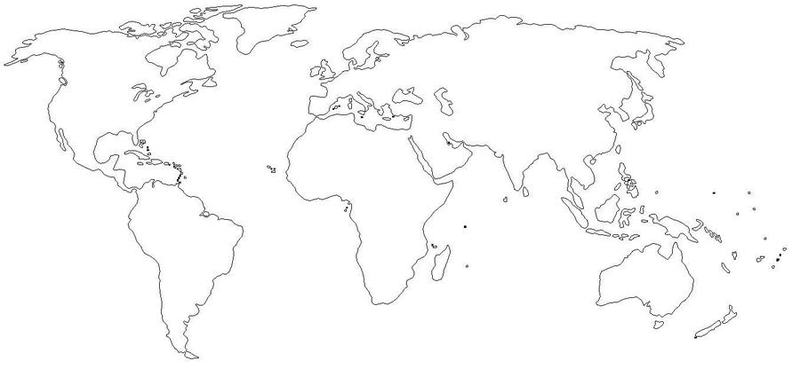
Word List: Sahara, Papua New Guinea, New South Wales, Tasmania
STRAND 4: Resources & Economic Activities · 26 marks
Question types: Multiple Choice (10) • Matching (6) • Comprehension Passage (5) • Paragraph Writing (5)
Part A — Multiple Choice [10 marks]
1. The movement of qualified people to other countries is called
✔ Answer: B
2. Credit and debit cards can easily
✔ Answer: B
3. Globalisation is best described as the
✔ Answer: D
4. Globalisation refers to the emergence of an international network of
✔ Answer: C
5. Sustainability means
✔ Answer: B
6. Goods made in China, Japan and the USA sold in a Suva supermarket show we live in a
✔ Answer: B
7. An example of a financial institution is a
✔ Answer: B
8. Globalisation comes from “globe” and means the coming together of countries — a fast
✔ Answer: B
9. A budget is best described as a plan of
✔ Answer: D
10. Which of the following is a non-renewable source of energy?
✔ Answer: B
Part B — Matching [6 marks]
1. Fourteen days
✔ Answer: A
2. Buying without planning
✔ Answer: B
3. The one resource you cannot store
✔ Answer: C
4. A place that safely keeps money
✔ Answer: D
5. A plan of income and expenditure
✔ Answer: E
6. Payment for work
✔ Answer: F
Part C — Comprehension Passage [5 marks] "Tourism - Fiji's Golden Industry"
is one of the largest contributors to Fiji's economy. It creates jobs in hotels, airlines, transport, handicrafts and farming. When a resort buys fish from local fishermen, vegetables from local growers and mats from village weavers, the money spreads through the whole community. Globalisation has brought these visitors to our shores through international flights, internet booking and worldwide advertising.
1. What is tourism?
✔ Model answer: (see the Detailed Solution PDF)
2. Why is tourism important to Fiji's economy?
✔ Model answer: (see the Detailed Solution PDF)
3. Name TWO jobs created by tourism.
✔ Model answer: (see the Detailed Solution PDF)
4. How does tourism help local farmers and fishers?
✔ Model answer: (see the Detailed Solution PDF)
5. How has globalisation helped tourism?
✔ Model answer: (see the Detailed Solution PDF)
Part D — Paragraph Writing [5 marks]