FEMIS ID: Name: Class:
STRAND 1: Social Organisation & Processes · 26 marks
Question types: Multiple Choice (10) • Matching (6) • Comprehension Passage (5) • Paragraph Writing (5)
Part A — Multiple Choice [10 marks]
1. The primary function of the WHO is to
✔ Answer: D
2. UNESCO contributes to peace by promoting
✔ Answer: A
3. The World Bank was created in
✔ Answer: A
4. The founder of the Red Cross was
✔ Answer: A
5. The UNFCCC is the United Nations Framework Convention on
✔ Answer: A
6. The indigenous people of New Zealand are the
✔ Answer: D
7. A group whose members share common cultural characteristics is called a(n)
✔ Answer: D
8. People grouped by the language they speak form a
✔ Answer: A
9. The main purpose of the United Nations is to
✔ Answer: C
10. UNICEF was created mainly to help
✔ Answer: C
Part B — Matching [6 marks]
1. Natives of New Zealand
✔ Answer: A
2. First inhabitants of a place
✔ Answer: B
3. People of Kiribati and the Marshalls
✔ Answer: C
4. Dark-skinned Pacific people
✔ Answer: D
5. Natives of Australia
✔ Answer: E
6. People of Samoa and Tonga
✔ Answer: F
Part C — Comprehension Passage [5 marks] "The European Union"
trade and political cooperation. Members can trade with one another without heavy taxes, and citizens may live and work in any member state. The EU also gives aid to developing countries, including Pacific Island nations, supporting schools, clean water projects and disaster relief. With twenty-seven members, the EU shows how former rivals can become partners.
1. In which year was the EU formed?
✔ Model answer: (see the Detailed Solution PDF)
2. State TWO purposes of the EU.
✔ Model answer: (see the Detailed Solution PDF)
3. What can EU citizens do that others cannot?
✔ Model answer: (see the Detailed Solution PDF)
4. How does the EU help developing countries?
✔ Model answer: (see the Detailed Solution PDF)
5. How many members does the EU have today?
✔ Model answer: (see the Detailed Solution PDF)
Part D — Paragraph Writing [5 marks]
STRAND 2: Time, Continuity & Change · 22 marks
Question types: Multiple Choice (8) • True/False (6) • Fill in the Blanks (4) • Resource Interpretation (4)
Part A — Multiple Choice [8 marks]
1. The modern Olympic Games were inspired by the ancient games held in
✔ Answer: D
2. Adolf Hitler was the leader of Nazi Germany from
✔ Answer: D
3. The first Fijian professional golfer ranked world number one is
✔ Answer: B
4. An example of a global pandemic is
✔ Answer: B
5. Baron Pierre de Coubertin founded the International Olympic Committee in
✔ Answer: A
6. World War II was from
✔ Answer: C
7. The first woman Prime Minister of Pakistan was
✔ Answer: B
8. People who study the past are called
✔ Answer: B
Part B — True or False [6 marks]
1. Non-governmental organisations mainly focus on generating profit.
✔ Answer: F
2. Roy Krishna is a famous soccer player from Fiji.
✔ Answer: T
3. The Olympic Games are held every four years.
✔ Answer: T
4. Deserts are found in polar regions.
✔ Answer: F
5. The earth needs to be protected only by governments.
✔ Answer: F
6. A resource is a source or supply from which benefit is produced.
✔ Answer: T
Part C — Fill in the Blanks [4 marks]
1. World War I began in 19 and Fiji became independent in 19. (2 marks)
✔ Answers: 1914; 1970
2. The Red Cross was founded in 18 and the next Commonwealth Games (2026) will be held in , Scotland. (2 marks)
✔ Answers: 1863; Glasgow
Part D — Resource Interpretation [4 marks] study the photograph
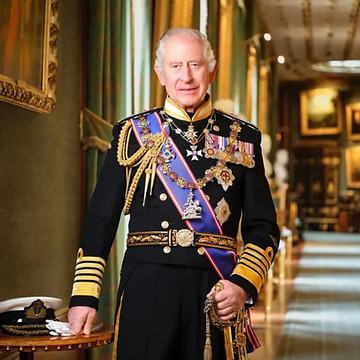
1. Who is the person in the photograph?
✔ Model answer: (see the Detailed Solution PDF)
2. Since which year has he been King?
✔ Model answer: (see the Detailed Solution PDF)
3. What is his role in the Commonwealth?
✔ Model answer: (see the Detailed Solution PDF)
4. What link does he have with Fiji's history?
✔ Model answer: (see the Detailed Solution PDF)
STRAND 3: Place & Environment · 26 marks
Question types: Multiple Choice (10) • Matching (6) • Short-Answer Questions (6) • Resource Interpretation (4)
Part A — Multiple Choice [10 marks]
1. No rainfall in an area for a long period of time causes a
✔ Answer: D
2. A characteristic of the polar region is
✔ Answer: B
3. An economic effect of climate change on farming regions is
✔ Answer: B
4. Heavy flooding can cause stagnant water which leads to
✔ Answer: C
5. In which climatic region would you most likely find harsh winters and heavy snowfall?
✔ Answer: D
6. Which of the following is an effect of climate change?
✔ Answer: C
7. When forests are cleared, one likely result is
✔ Answer: D
8. The two most important factors that determine climate are
✔ Answer: C
9. Ozone depletion primarily results from the release of
✔ Answer: C
10. Traditional knowledge refers to practices
✔ Answer: B
Part B — Matching [6 marks]
1. Day-to-day condition of the atmosphere
✔ Answer: A
2. 23.5 degrees South
✔ Answer: B
3. The shape of the land
✔ Answer: C
4. The long-term pattern of weather
✔ Answer: D
5. 0 degrees latitude
✔ Answer: E
6. 0 degrees longitude
✔ Answer: F
Part C — Short-Answer Questions [6 marks]
1. State one way students can respond to changes and hazards.
✔ Model answer: (see the Detailed Solution PDF)
2. List two natural hazards often encountered in Fiji.
✔ Model answer: (see the Detailed Solution PDF)
3. Explain an impact of a tropical cyclone in Fiji.
✔ Model answer: (see the Detailed Solution PDF)
Part D — Resource Interpretation [4 marks] study the resource
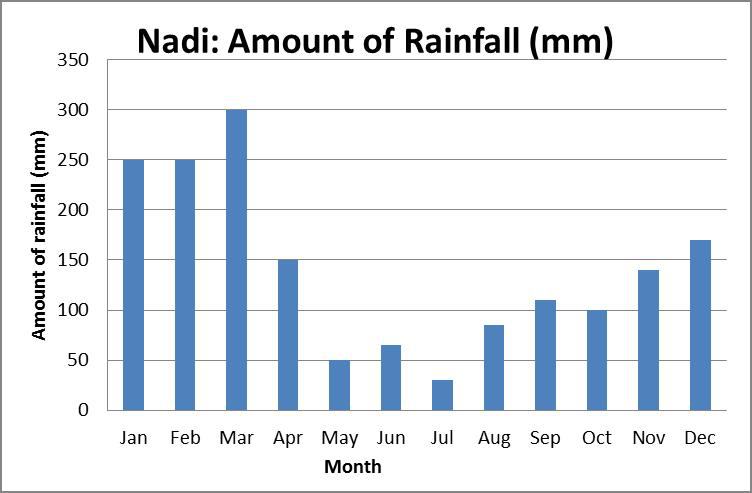
1. Identify the wettest month.
✔ Model answer: (see the Detailed Solution PDF)
2. Identify the driest month.
✔ Model answer: (see the Detailed Solution PDF)
3. Which TWO months recorded equal rainfall?
✔ Model answer: (see the Detailed Solution PDF)
4. State the trend over the months shown.
✔ Model answer: (see the Detailed Solution PDF)
STRAND 4: Resources & Economic Activities · 26 marks
Question types: Multiple Choice (10) • Matching (6) • Comprehension Passage (5) • Paragraph Writing (5)
Part A — Multiple Choice [10 marks]
1. Credit and debit cards can easily
✔ Answer: A
2. Globalisation is best described as the
✔ Answer: A
3. Globalisation refers to the emergence of an international network of
✔ Answer: A
4. Sustainability means
✔ Answer: C
5. Goods made in China, Japan and the USA sold in a Suva supermarket show we live in a
✔ Answer: C
6. An example of a financial institution is a
✔ Answer: A
7. Globalisation comes from “globe” and means the coming together of countries — a fast
✔ Answer: C
8. A budget is best described as a plan of
✔ Answer: C
9. Which of the following is a non-renewable source of energy?
✔ Answer: D
10. Aid from donor countries is
✔ Answer: A
Part B — Matching [6 marks]
1. Movement of qualified people abroad
✔ Answer: A
2. Donations from donor countries
✔ Answer: B
3. Interconnected world community
✔ Answer: C
4. Fiji's biggest service industry
✔ Answer: D
5. Interchange of world views and products
✔ Answer: E
6. Company operating in many countries
✔ Answer: F
Part C — Comprehension Passage [5 marks] "Tourism - Fiji's Golden Industry"
is one of the largest contributors to Fiji's economy. It creates jobs in hotels, airlines, transport, handicrafts and farming. When a resort buys fish from local fishermen, vegetables from local growers and mats from village weavers, the money spreads through the whole community. Globalisation has brought these visitors to our shores through international flights, internet booking and worldwide advertising.
1. What is tourism?
✔ Model answer: (see the Detailed Solution PDF)
2. Why is tourism important to Fiji's economy?
✔ Model answer: (see the Detailed Solution PDF)
3. Name TWO jobs created by tourism.
✔ Model answer: (see the Detailed Solution PDF)
4. How does tourism help local farmers and fishers?
✔ Model answer: (see the Detailed Solution PDF)
5. How has globalisation helped tourism?
✔ Model answer: (see the Detailed Solution PDF)
Part D — Paragraph Writing [5 marks]